Fire Safety in Hospitals and Nursing Homes: A Practical Guide
Updated: November 2026 2 min readBy the Vinsafe fire safety team
In short: Hospitals cannot simply evacuate like offices. Learn the key fire safety equipment, evacuation methods and maintenance practices for hospitals and nursing homes.
Hospital fires are among the most tragic because many occupants cannot walk out on their own. Oxygen-rich areas, electrical medical equipment and 24x7 operation make hospitals a high-risk occupancy that needs more than a few extinguishers on the wall.
Why hospitals are different
- Patients may be bedridden, sedated, on ventilators or in wheelchairs
- Oxygen supply makes fires burn faster and hotter
- ICUs, OTs and imaging rooms are full of costly electrical equipment
- Evacuation often means moving patients horizontally to a safe zone first
Essential equipment
- ABC extinguishers along corridors and near nursing stations
- CO2 or clean agent extinguishers in ICUs, OTs, imaging and electrical rooms
- Addressable fire alarm system to pinpoint the exact room
- Smoke detectors in all patient rooms and corridors
- Emergency lighting and photoluminescent exit signage
- Fire-rated doors to create compartments
- Evacuation chairs on every staircase for patients who cannot walk
- Evacuation sledges or mattresses for bedridden patients
Evacuation strategy: horizontal first
Hospitals usually use progressive horizontal evacuation: moving patients from the fire zone to an adjacent protected compartment on the same floor, and only then downward if needed. Staircase evacuation of non-ambulatory patients needs evacuation chairs and trained staff; lifts are normally not used in a fire.
Maintenance and drills
- Monthly extinguisher checks and yearly maintenance under IS 2190
- Regular alarm and detector testing
- Mock drills by department, including night shifts
- Training nurses and ward boys on evacuation chair use
Compliance
Hospitals and nursing homes need fire clearance depending on height, beds and local rules, and accreditation bodies such as NABH also look closely at fire safety. Keep your records and certificates ready.
Products mentioned in this guide
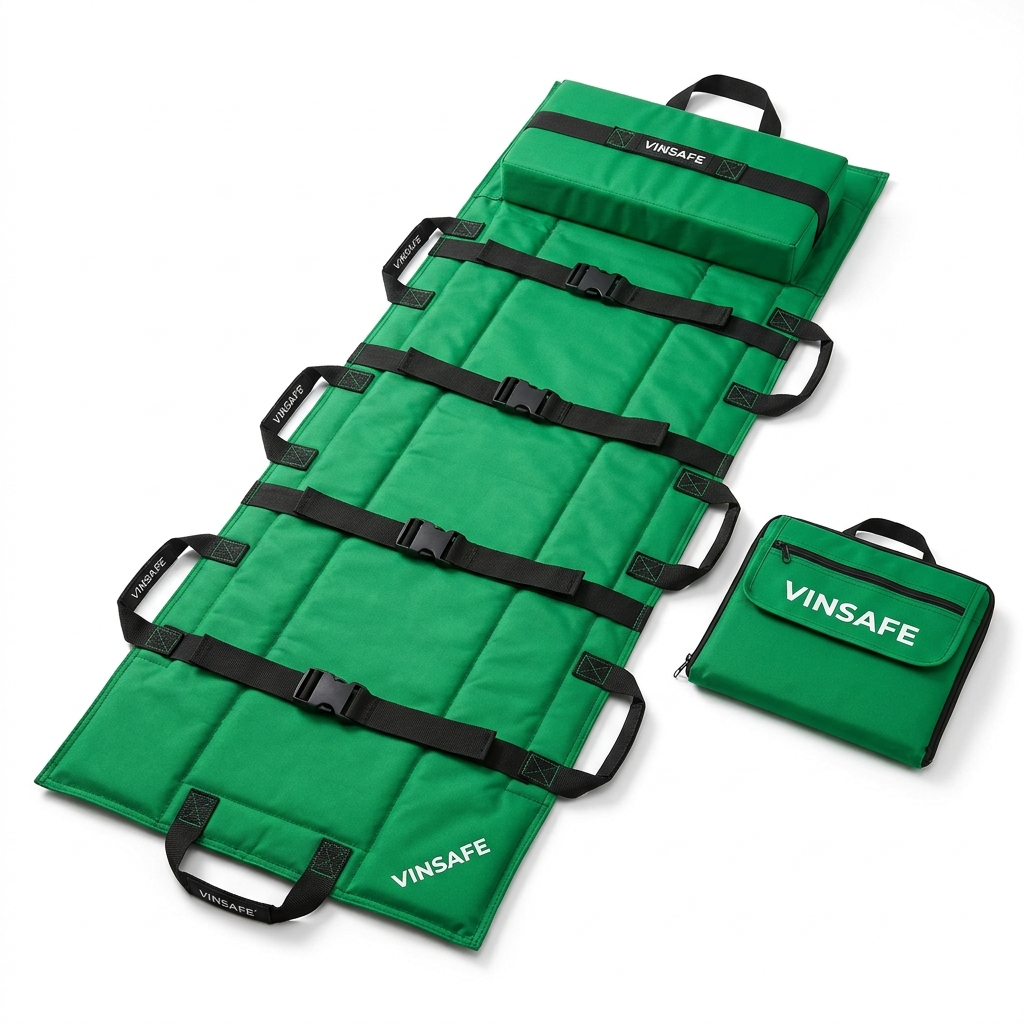
Evacuation Sheet (Ski Pad)
Evacuation & Rescue Equipment · Lives under the mattress so one person can drag a bedridden patient to safety
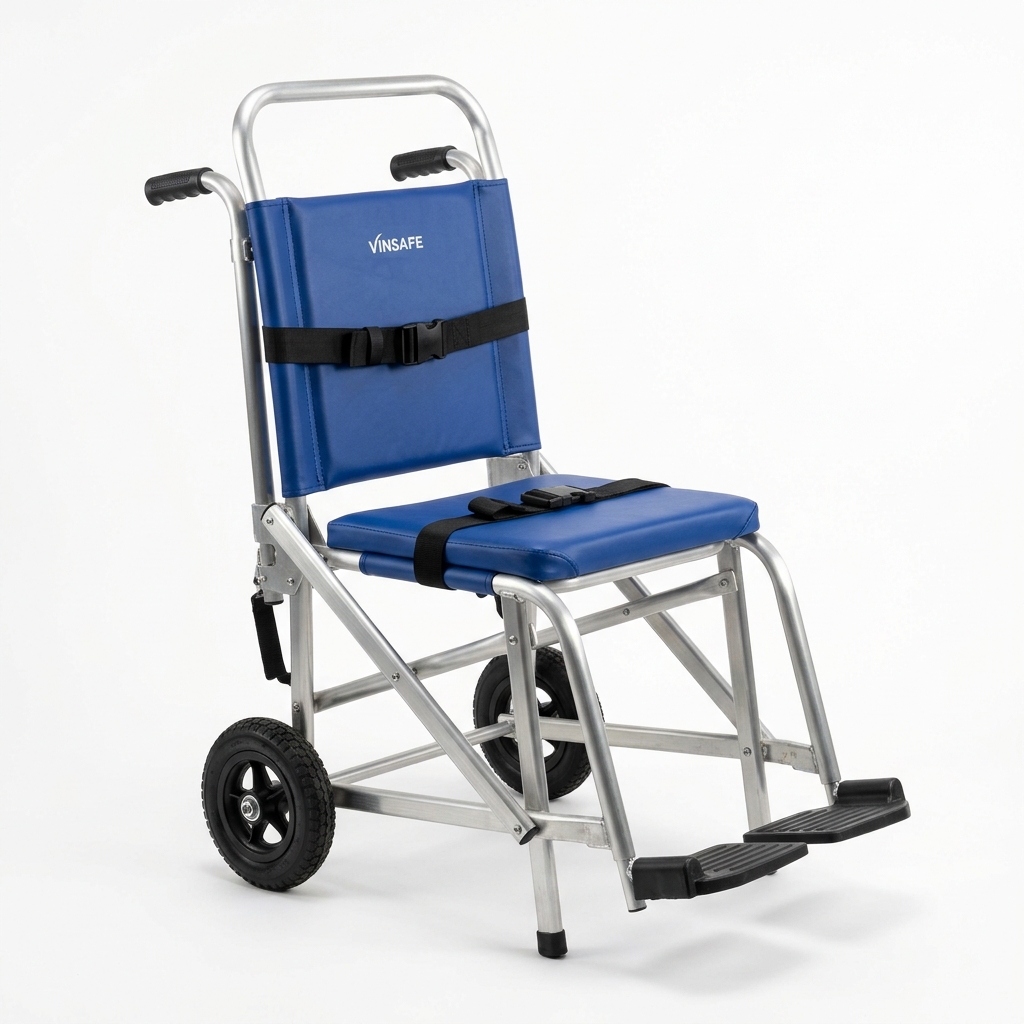
Folding Stair Evacuation Chair
Evacuation & Rescue Equipment · Compact 7 kg carry chair that folds flat beside the stairwell
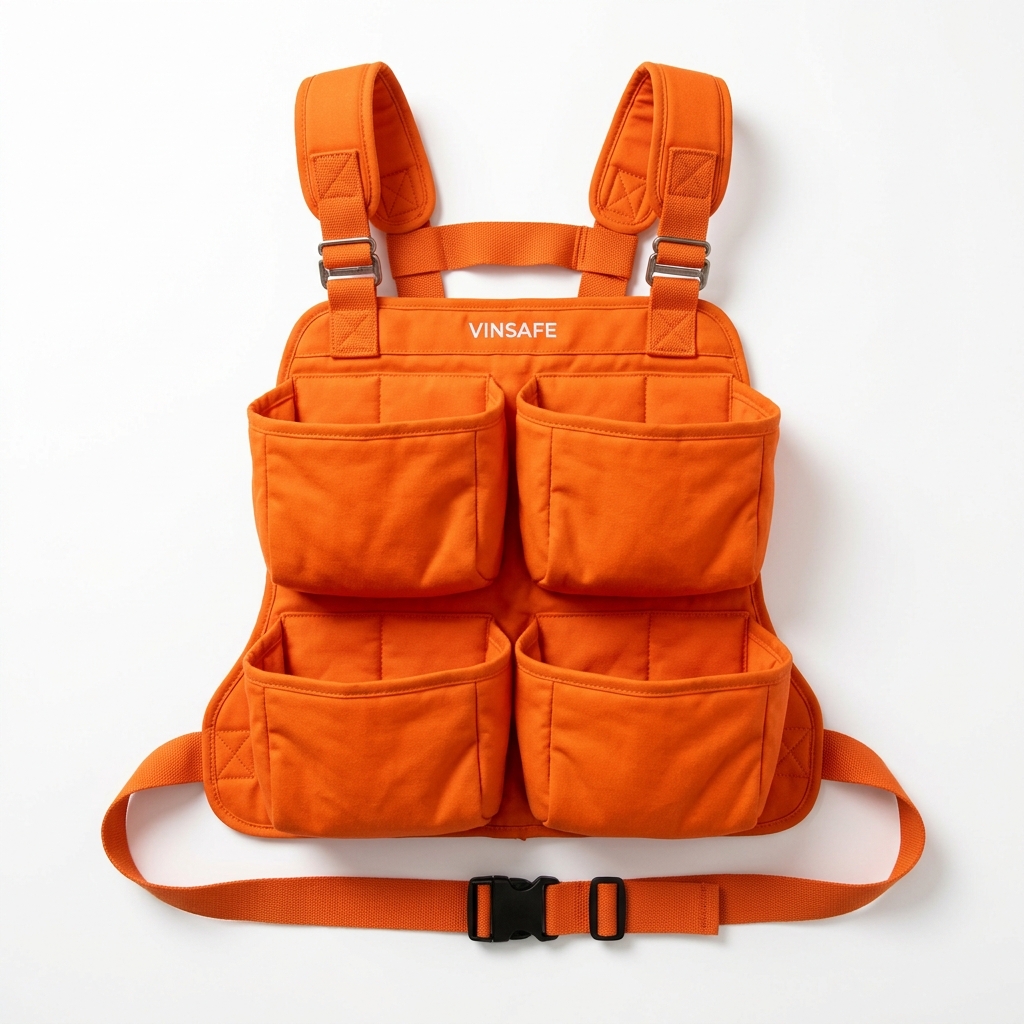
Baby Evacuation Suit (4 Infants)
Evacuation & Rescue Equipment · One carer evacuates up to four infants at once
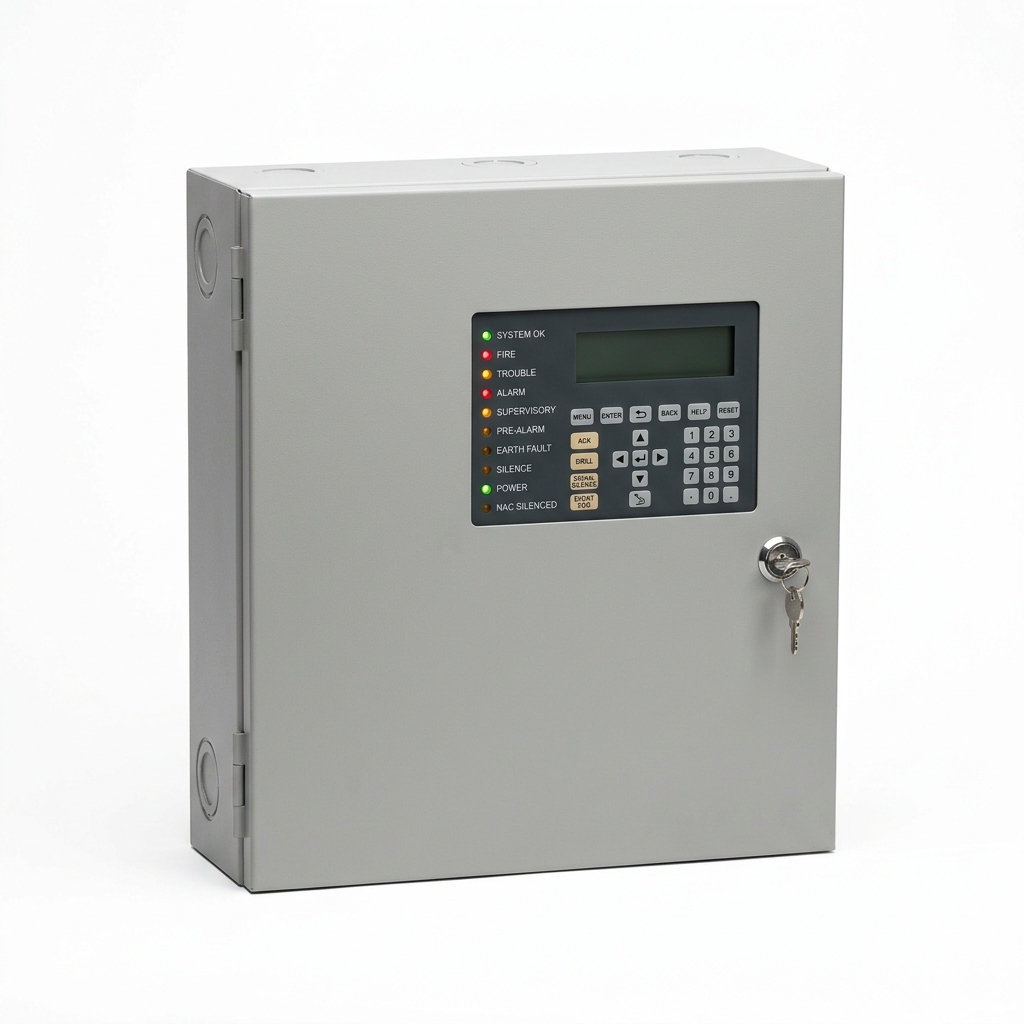
Addressable Fire Alarm Panel
Fire Alarm Panels, Call Points & Voice Evacuation · Pinpoints the exact device in alarm across large buildings
FAQs