Fire Safety for Restaurants and Cloud Kitchens: Equipment and Rules
Updated: November 2026 2 min readBy the Vinsafe fire safety team
Quick guide to restaurant fire safety: Cooking oil fires spread fast. The right extinguishers, fire blankets, kitchen suppression systems and habits for restaurants and cloud kitchens.
Commercial kitchens combine open flames, LPG or PNG, hot oil and grease-laden exhaust ducts. That is why kitchen fires are among the most common in hotels, restaurants and cloud kitchens, and why they spread so quickly.
The biggest risks
- Deep fryers and woks with overheated oil
- Grease build-up in hoods and exhaust ducts
- Gas leaks from pipelines and cylinders
- Overloaded electrical points for mixers, ovens and chillers
- Staff who throw water on an oil fire (which makes it explode)
Essential equipment
- Kitchen (wet chemical / K-type) extinguisher near fryers and cooking ranges
- Fire blanket within reach of the cooking line
- ABC extinguisher near the kitchen exit
- CO2 extinguisher near electrical panels
- Kitchen hood suppression system for larger kitchens: nozzles above the cooking line that automatically discharge a wet chemical agent and shut the gas supply
- Gas leak detector with automatic shut-off valve
- Heat detectors (not smoke detectors) inside kitchens
Daily and weekly habits
- Never leave hot oil unattended
- Clean hood filters regularly and ducts on a fixed schedule
- Shut gas valves at closing time
- Keep exits and the path to extinguishers clear of crates
- Train every new staff member on the extinguisher and fire blanket
How to handle an oil fire
Turn off the heat source if it is safe to do so. Cover the pan with a fire blanket or lid. Use a kitchen extinguisher. Never use water. If the fire spreads to the hood, evacuate and call 101.
Compliance
Depending on size, seating and building, restaurants may need a fire NOC as part of their licensing. Fire officers typically check extinguishers, gas safety and exits.
Products mentioned in this guide
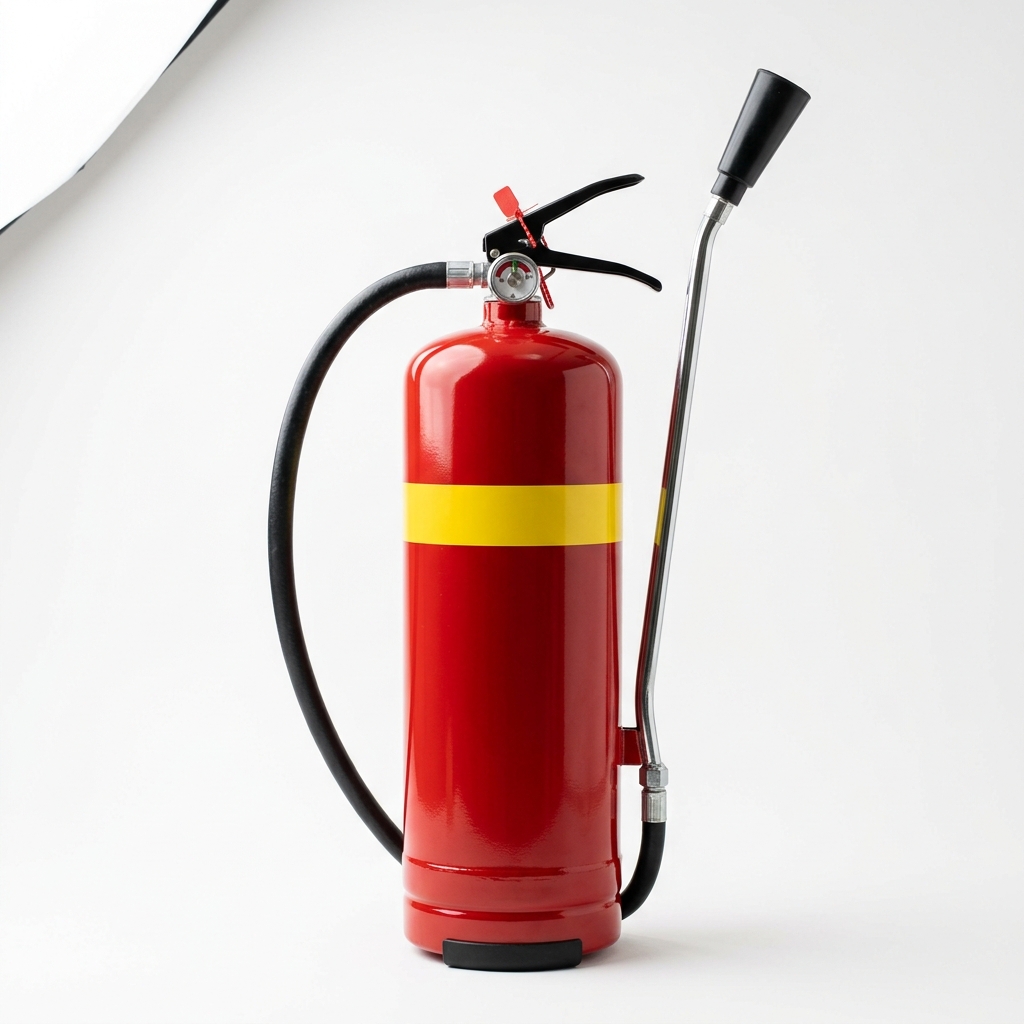
Kitchen (K-Class) Extinguisher
Portable Extinguishers · Saponifying agent purpose-built for cooking oil fires
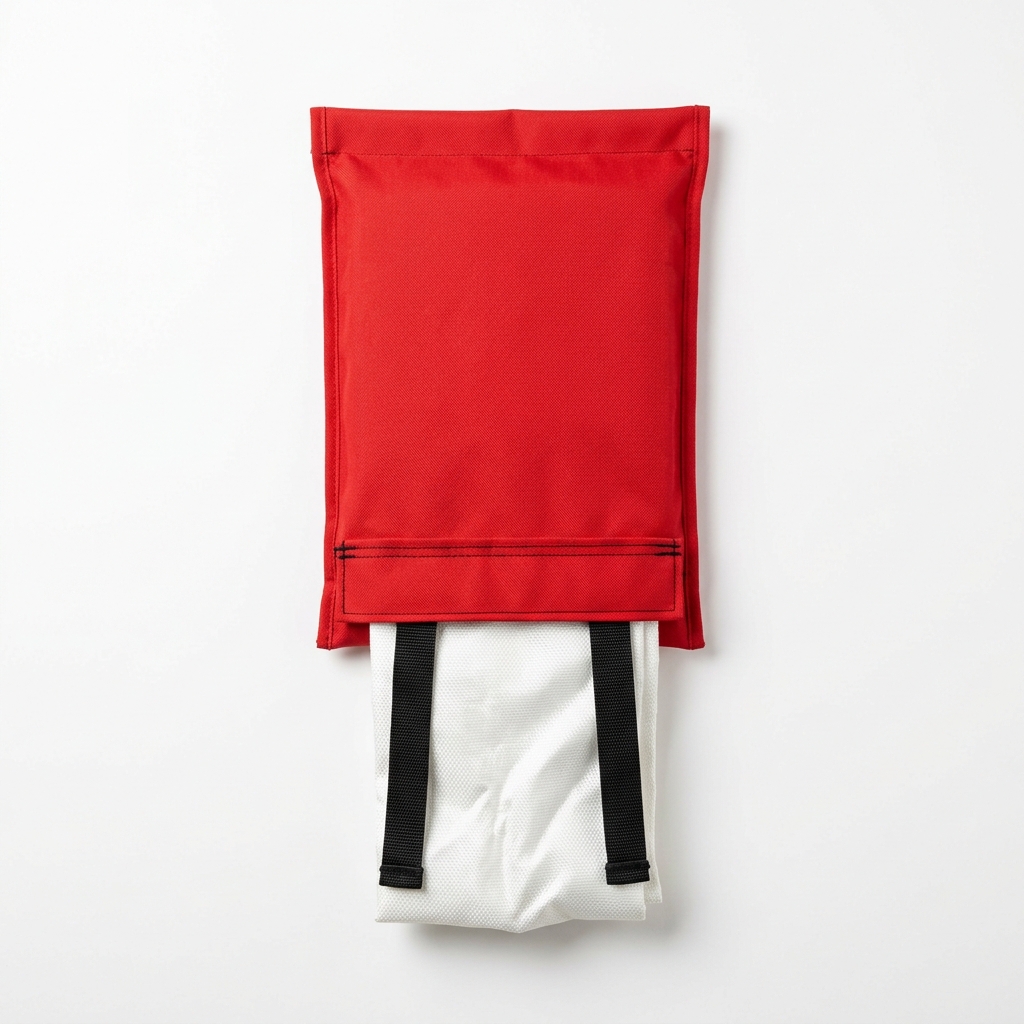
Fire Blanket
Fire & EV Blankets · Quick-release blanket to smother small fires
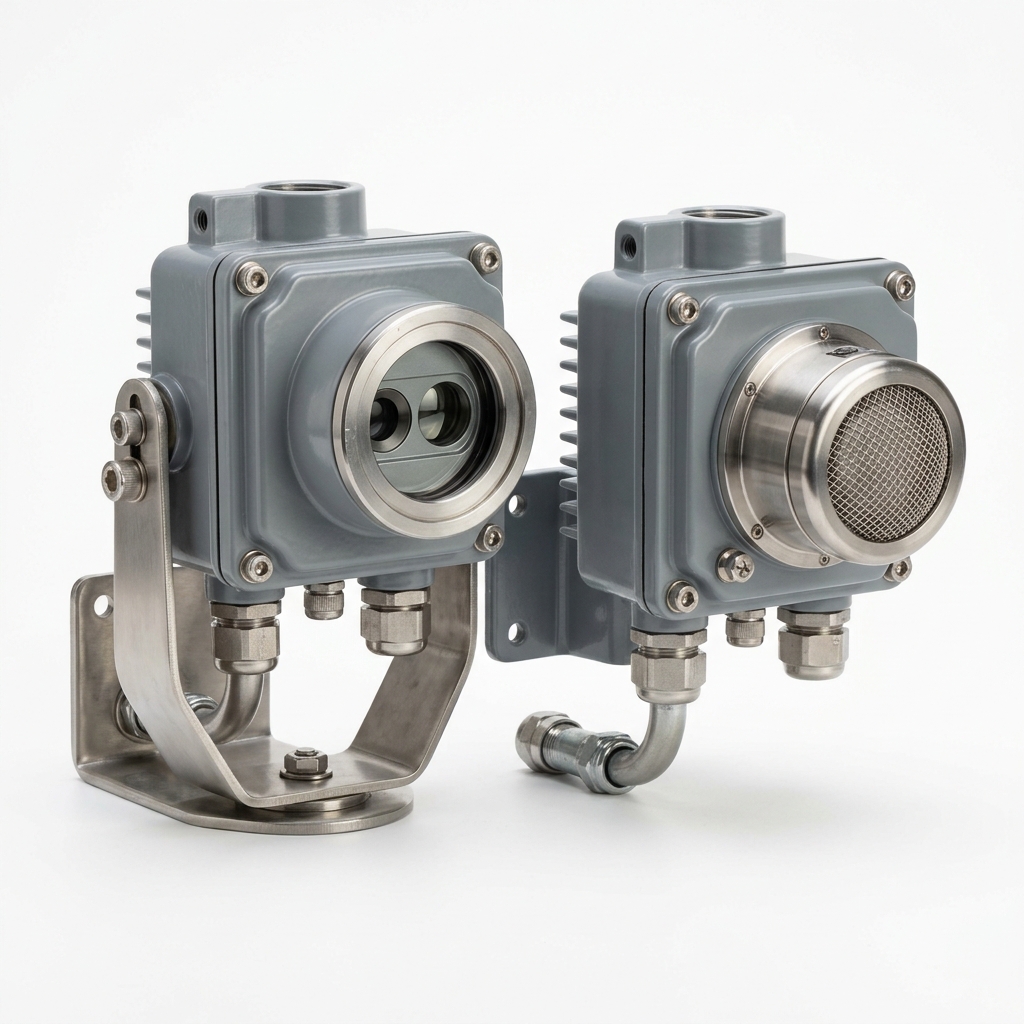
Flame & Gas Detectors
Fire Detection · UV/IR flame and fixed-point gas detection for hazardous areas
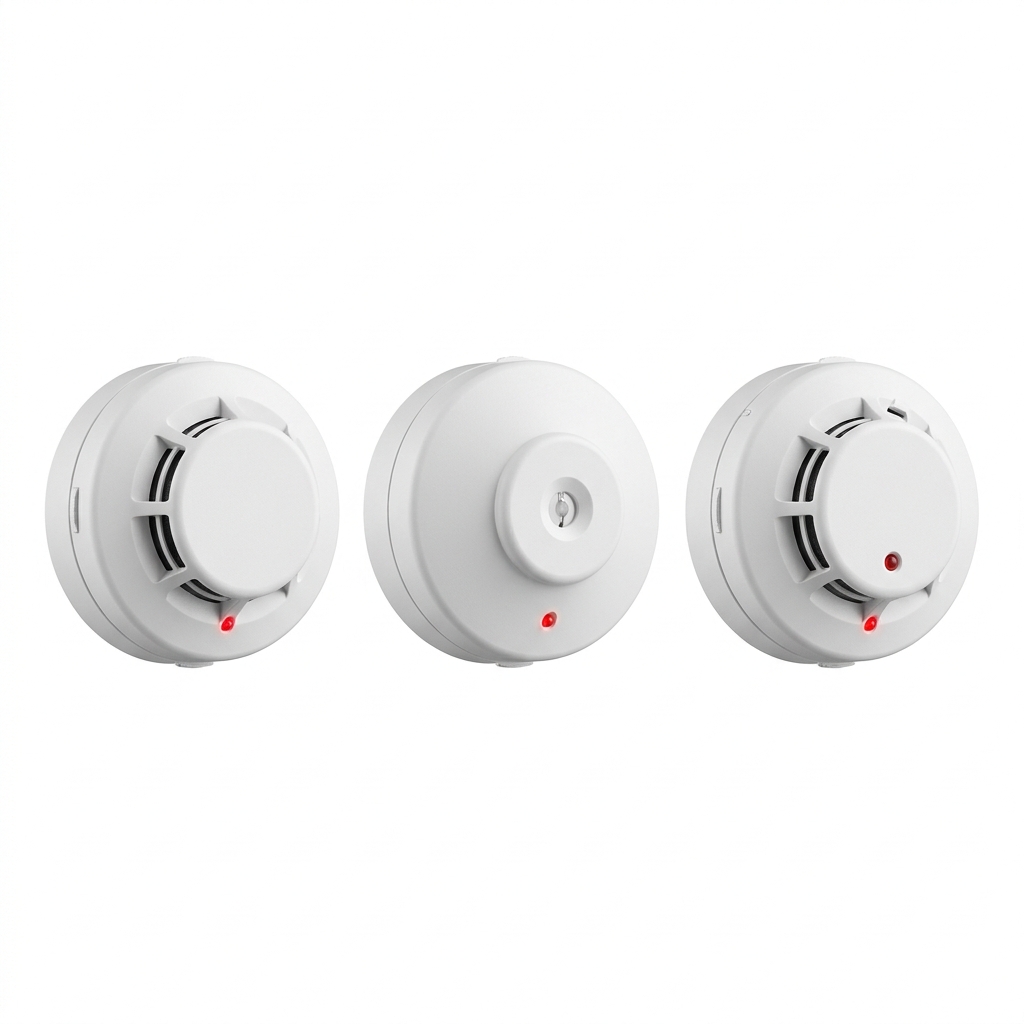
Smoke, Heat & Multi-Sensor Detectors
Fire Detection · Right detector for every environment
FAQs