AIS-135 Bus Fire Detection and Suppression: What Bus Operators Must Know
Updated: November 2026 2 min readBy the Vinsafe fire safety team
Quick guide to AIS 135 fire detection system for bus: AIS-135 sets fire detection, alarm and suppression requirements for buses in India, with a new electric bus fire alarm rule from 1 October 2026.
Bus fires spread fast and passengers often have little time to escape. India's Automotive Industry Standard AIS-135, issued under the Ministry of Road Transport and Highways, sets requirements for fire detection, alarm and suppression systems in buses.
What AIS-135 covers
The standard has four parts:
- Part I: Fire Detection and Alarm Systems (FDAS) in the engine compartment
- Part II: Fire Detection and Suppression Systems (FDSS) in the engine compartment
- Part III: Fire alarm systems in the passenger compartment of school buses and Type III (long-distance) buses
- Part IV: Fire protection systems in the passenger compartment of those buses, designed to give passengers extra evacuation time
The engine bay rules came first because most bus fires on Indian roads start in the engine compartment. The passenger compartment rules were added because injuries usually come from heat and smoke inside the cabin.
New for electric buses: 1 October 2026
Amendment 3 to AIS-135 adds passenger compartment fire alarm requirements for electric buses (Type I, Type II, Type III and electric school buses). The implementation date is 1 October 2026. Operators and body builders buying electric buses should confirm compliance with their supplier.
How an engine FDSS works
Sensors in the engine bay detect heat or flame. The system alerts the driver with audible and visual alarms and automatically discharges a suppression agent at pre-analysed points in the engine compartment, before the fire can spread to the cabin.
Who needs to act
- Bus body builders and OEMs building new buses
- School bus operators and schools that own buses
- Private and state transport operators buying new fleets
- Operators converting or refurbishing buses
Maintenance matters
A suppression system that is never serviced may not discharge when needed. Operators should schedule periodic inspection of sensors, cylinders, pressure and wiring, ideally under an AMC.
Products mentioned in this guide
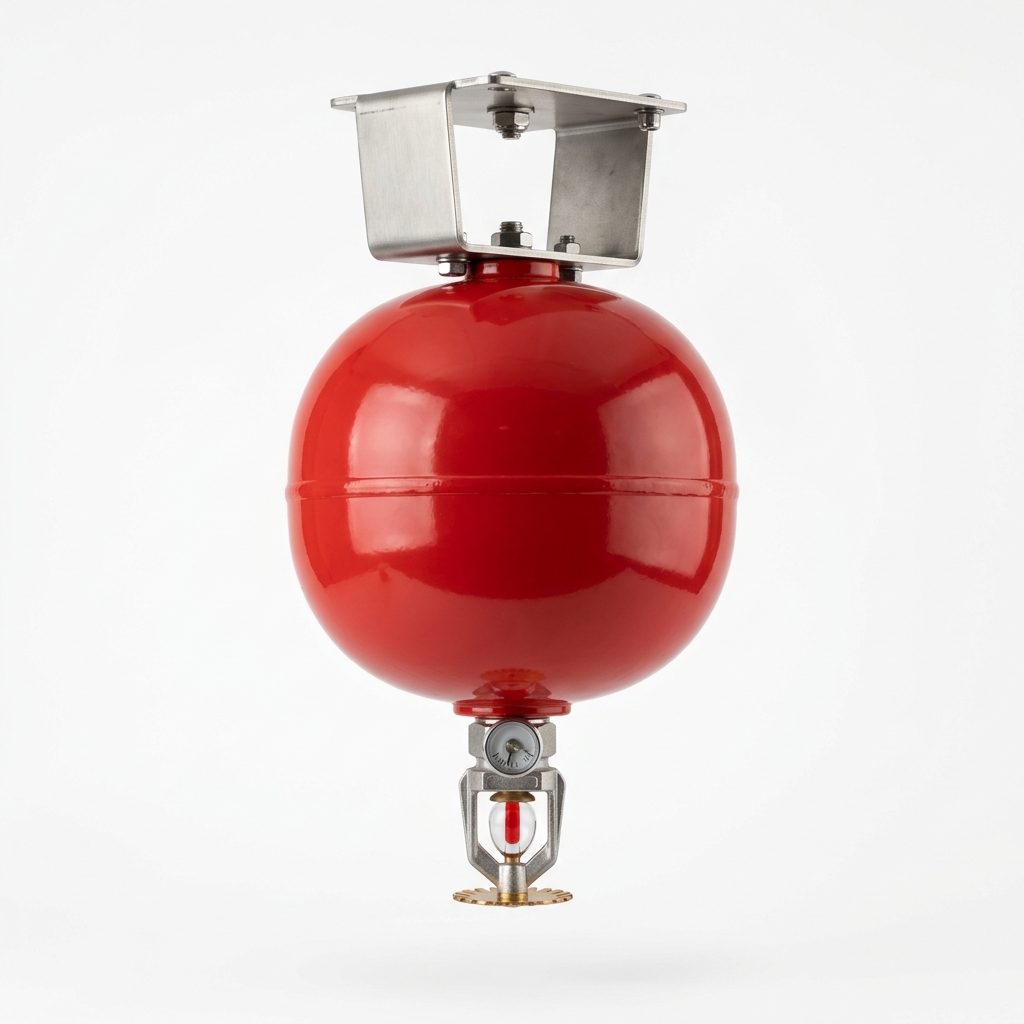
Ceiling-Mounted Modular Unit
Automatic Modular Extinguishers & Fire Balls · Glass-bulb actuated automatic extinguisher for rooms and stores
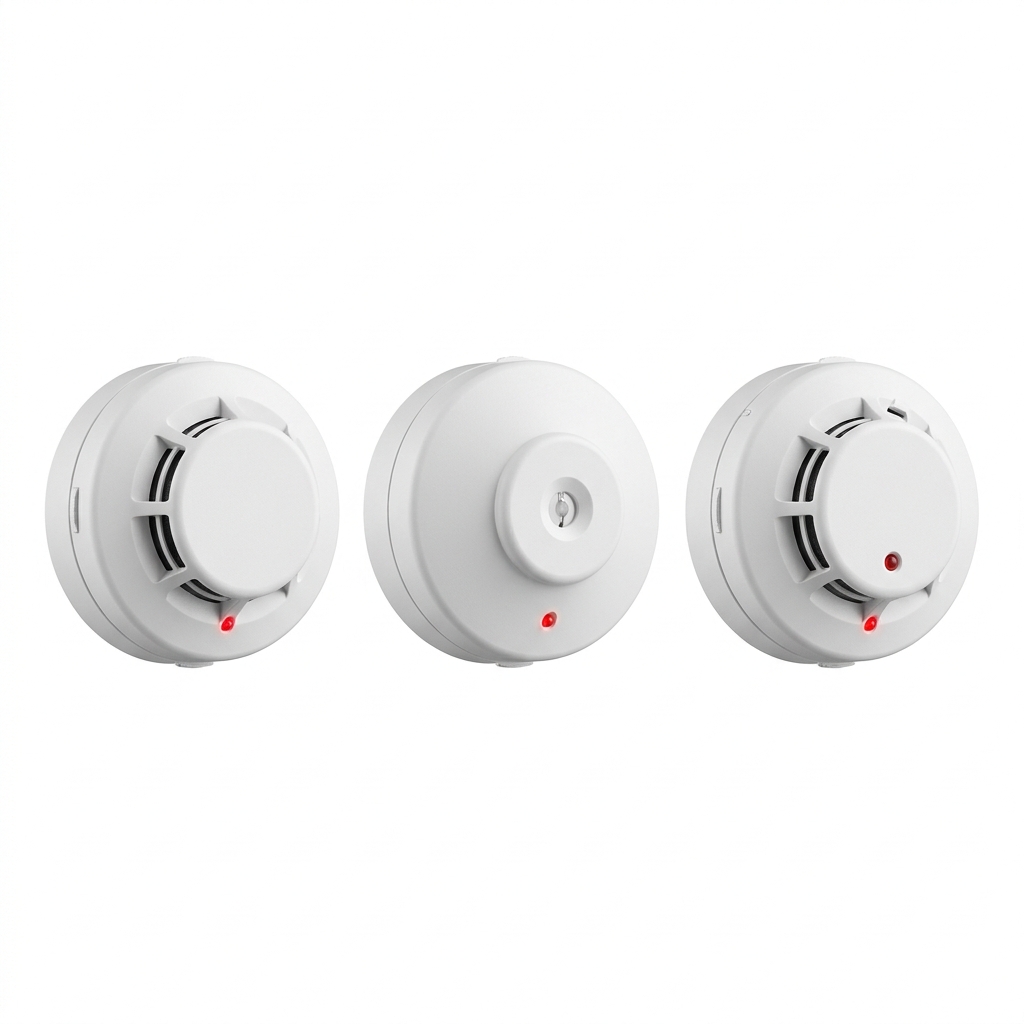
Smoke, Heat & Multi-Sensor Detectors
Fire Detection · Right detector for every environment
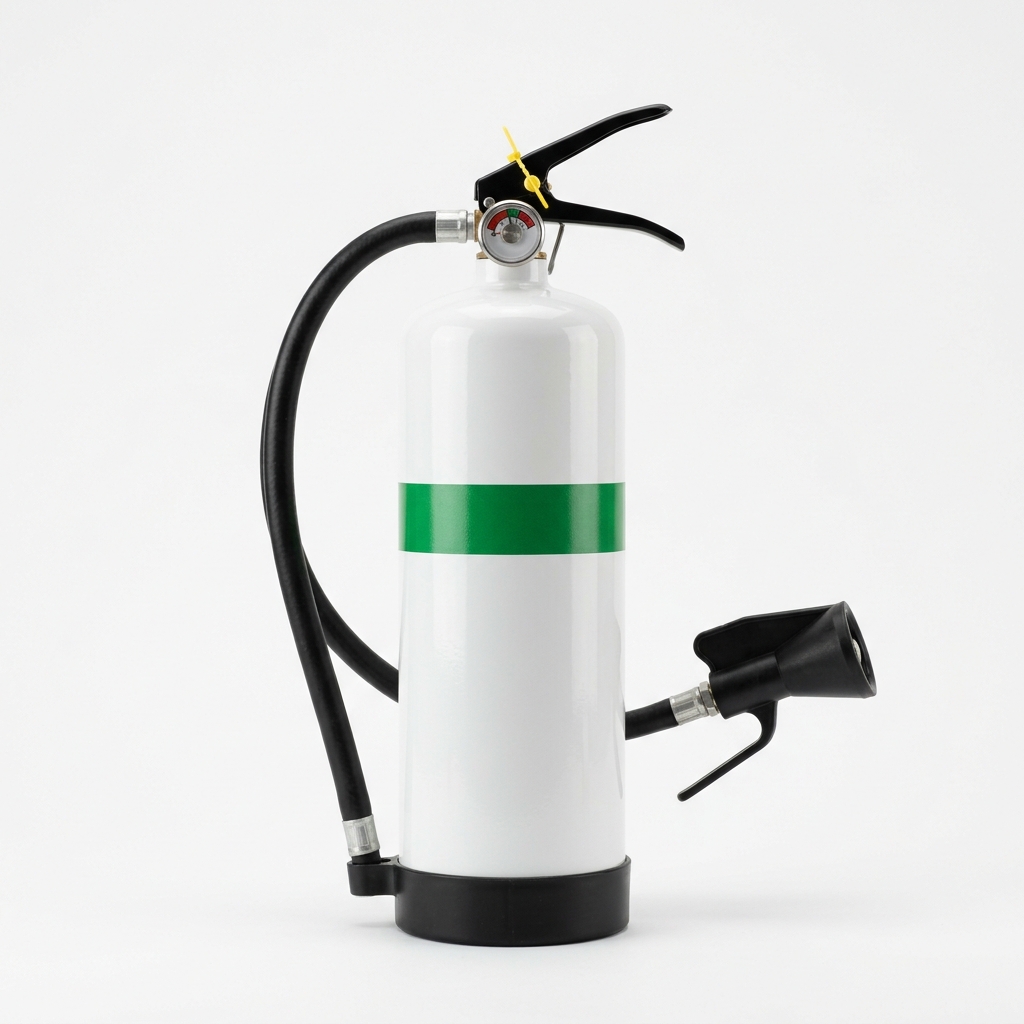
AVD Lithium-Ion Extinguisher
Portable Extinguishers · AVD agent that cools cells and prevents re-ignition
FAQs