Smoke Detector vs Heat Detector: Where to Install Each
Updated: November 2026 2 min readBy the Vinsafe fire safety team
Quick guide to smoke detector vs heat detector: Smoke detectors catch fires early; heat detectors avoid false alarms in dusty or steamy areas. Where each type belongs.
Choosing the wrong detector is the most common cause of false alarms, and false alarms make people ignore real ones. Here is how to pick the right detector for each area.
Smoke detectors
Smoke detectors sense smoke particles in the air. They give the earliest warning, often before flames are visible.
- Optical (photoelectric): good at detecting slow, smouldering fires such as wiring and upholstery. The most common type in offices and hotels.
- Multi-sensor: combine smoke and heat sensing to reduce false alarms.
Use in: offices, corridors, bedrooms, hotel rooms, server rooms, archives, hospital wards and false-ceiling voids where required.
Heat detectors
Heat detectors respond to temperature: either a fixed temperature or a rapid rise.
Use in: kitchens, pantries, boiler rooms, DG rooms, parking, dusty workshops and anywhere steam, smoke or fumes are normal.
Limitation: they react later than smoke detectors, so they should not be used where early warning is essential for life safety, such as bedrooms.
Special detectors
- Beam detectors for large open spaces like warehouses and atriums
- Aspirating (air sampling) systems for data centres, museums and clean rooms
- Flame detectors for fuel and chemical areas
- Linear heat cable for cable trays, conveyors and tunnels
Installation tips
- Mount on the ceiling, away from AC vents and corners
- Keep spacing within the manufacturer's coverage area
- Don't paint over detectors
- Clean and test regularly
Products mentioned in this guide
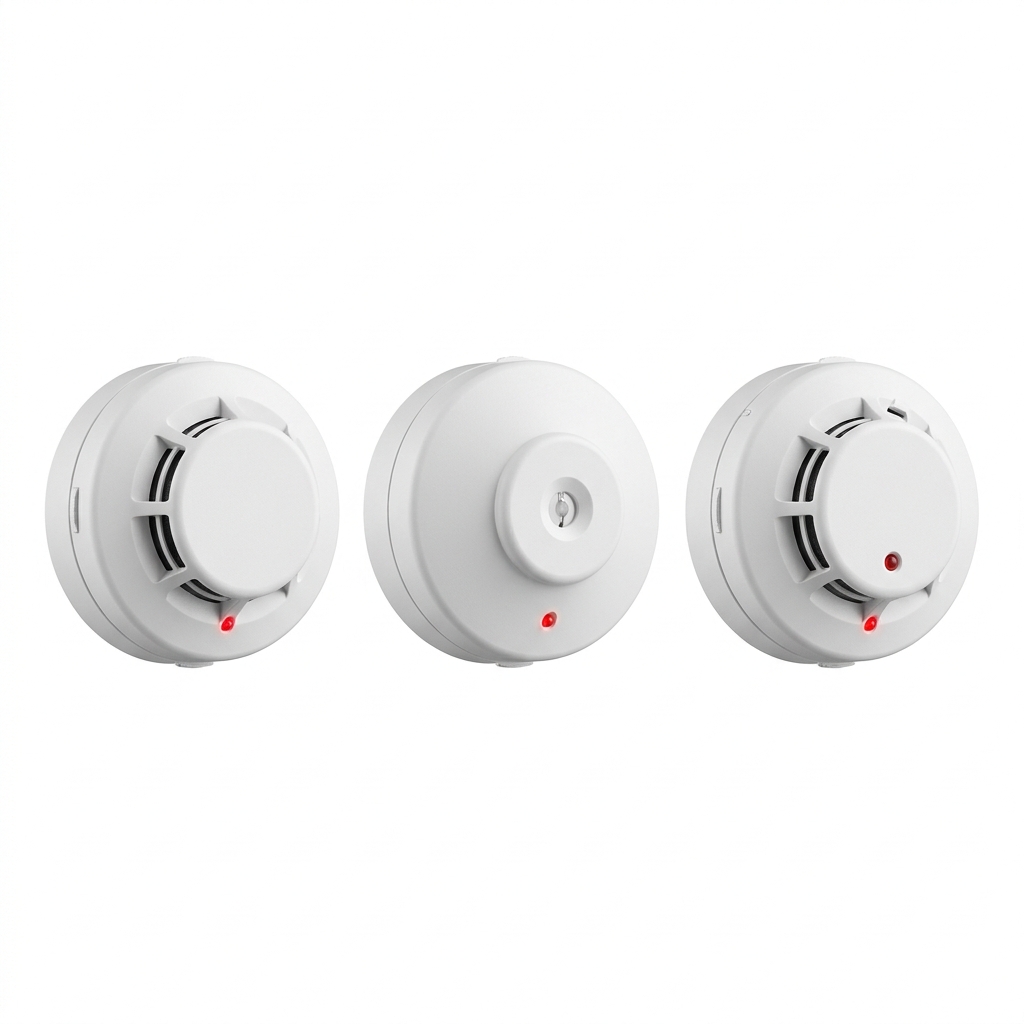
Smoke, Heat & Multi-Sensor Detectors
Fire Detection · Right detector for every environment
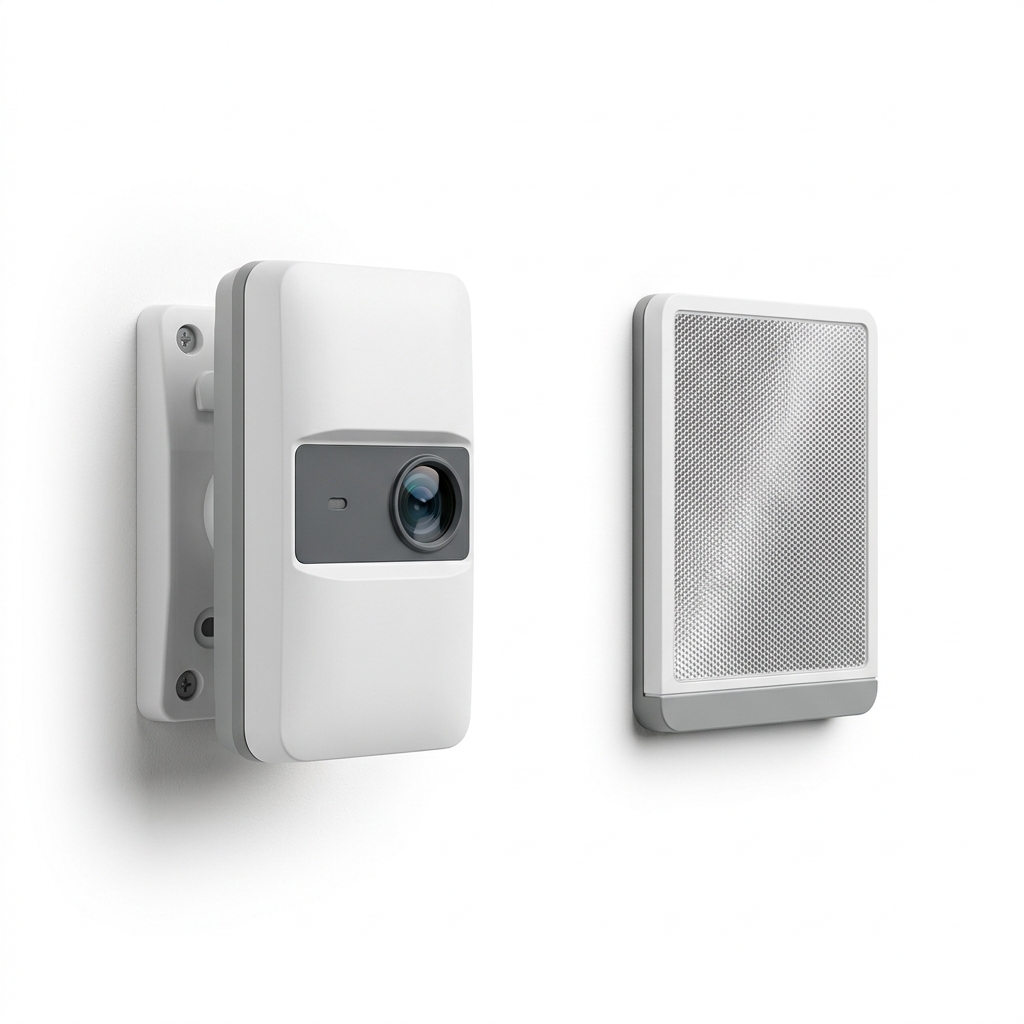
Beam Smoke Detector
Fire Detection · Covers large open spaces with a single projected beam
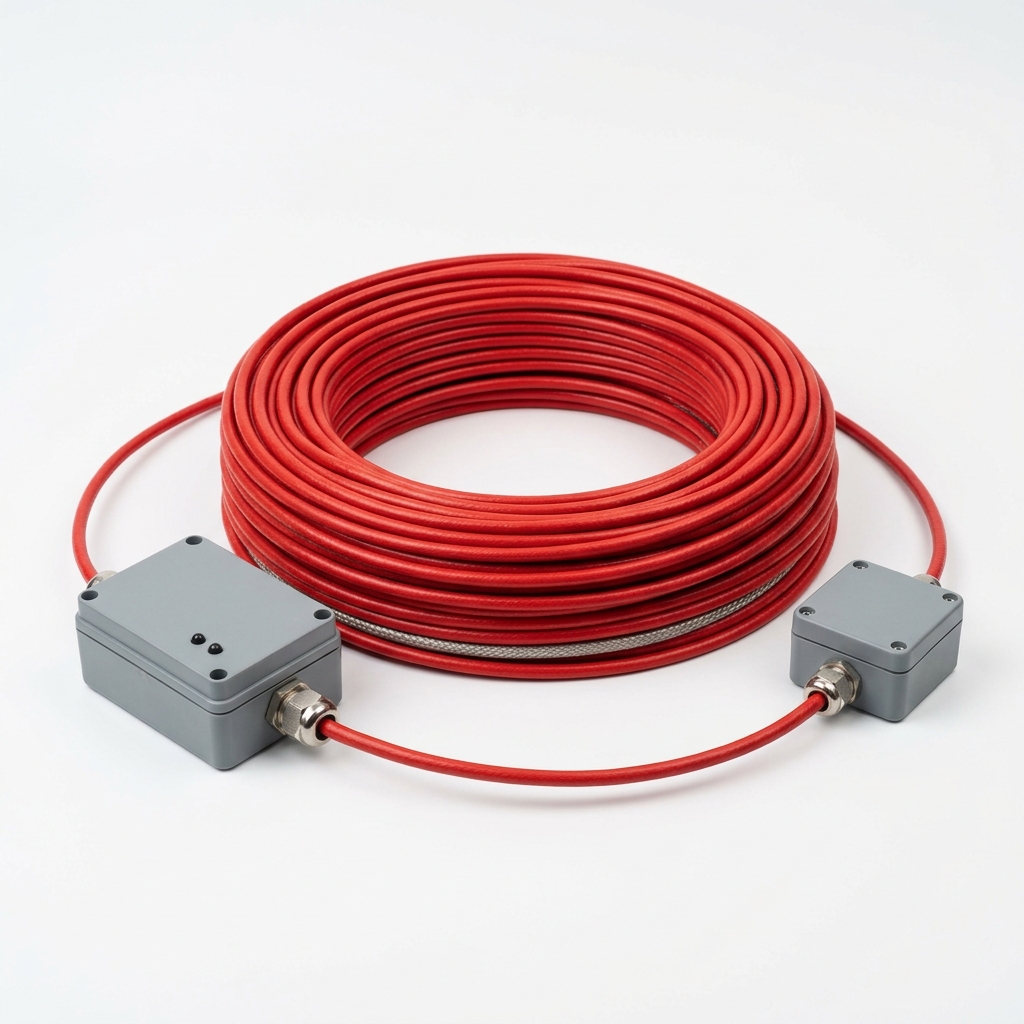
Linear Heat Detection Cable
Fire Detection · Continuous heat sensing along cable trays, conveyors and tunnels
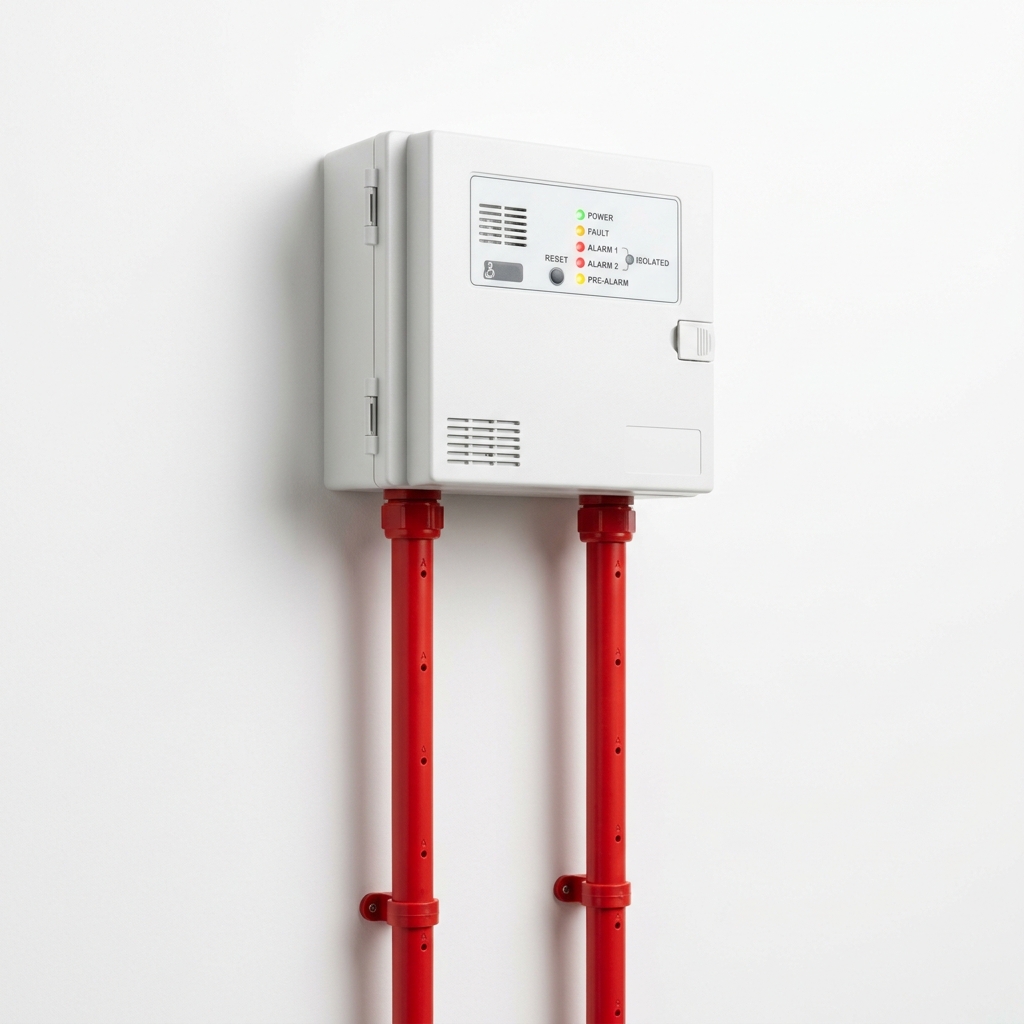
Aspirating Smoke Detection (VESDA)
Fire Detection · Very early warning by continuously sampling air
FAQs