How to Conduct a Fire Mock Drill in Your Office: Step-by-Step
Updated: November 2026 2 min readBy the Vinsafe fire safety team
In short: A step-by-step plan to run an effective fire mock drill in your office, from planning and fire wardens to the debrief report.
A fire mock drill shows whether people actually know what to do. It exposes blocked exits, silent alarms and confused staff before a real fire does. Here is how to run one properly.
Step 1: Plan
- Choose a date and inform management
- Decide whether it will be announced or surprise (start announced)
- Appoint fire wardens for each floor and a chief warden
- Identify people who need help to evacuate and plan for them
- Mark the assembly point, safely away from the building
Step 2: Brief the fire wardens
Wardens should know their floor, the exits, how to check washrooms and meeting rooms, and how to report "floor clear" to the chief warden.
Step 3: Raise the alarm
Trigger the alarm through a manual call point, just as in a real fire. Start a stopwatch.
Step 4: Evacuate
- Staff leave by the nearest safe exit, without collecting belongings
- No one uses lifts
- Wardens sweep their areas and close doors behind them
- People with mobility needs are helped using the planned method, such as an evacuation chair Step 5: Assemble and account
At the assembly point, wardens take a headcount and report to the chief warden. Note anyone missing.
Step 6: Debrief and report
Record the evacuation time, problems observed (blocked exits, alarm not heard, confusion about routes) and corrective actions with owners and deadlines. Keep the report on file for audits.
Add a practical session
Follow the drill with hands-on extinguisher training using the PASS method.
How often?
Hold drills regularly, at least once a year and more often for hospitals, hotels, schools and large offices, or as required by your fire NOC conditions.
Products mentioned in this guide
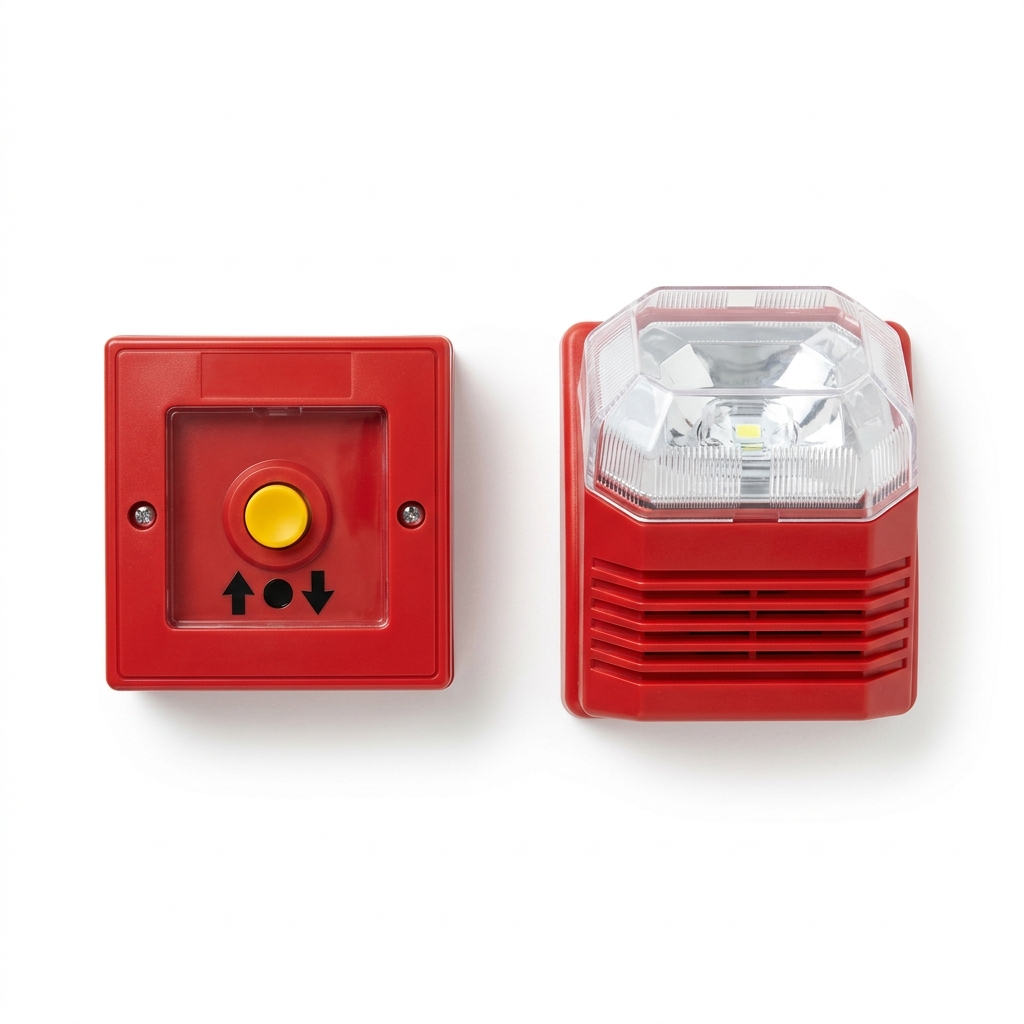
Manual Call Point & Hooter-Strobe
Fire Alarm Panels, Call Points & Voice Evacuation · Manual alarm initiation with audible and visual warning
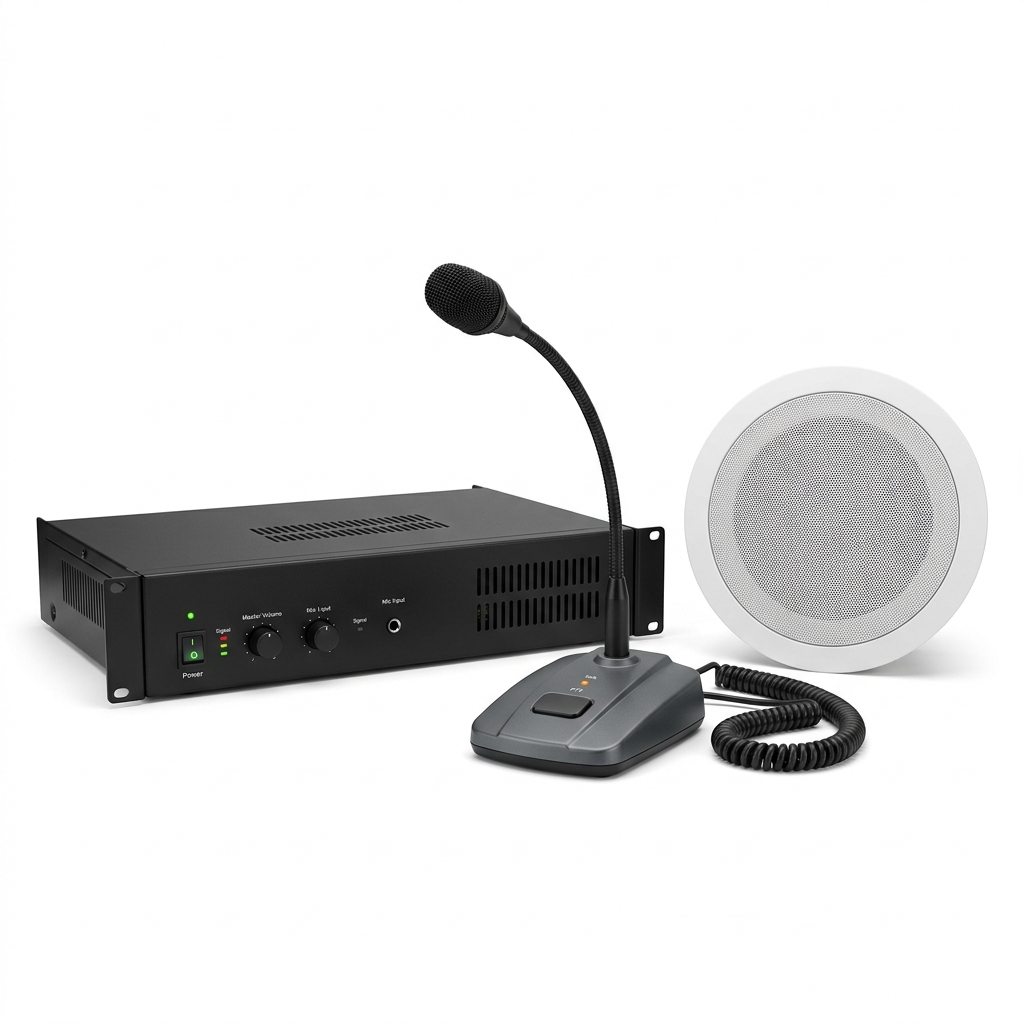
Voice Evacuation & PA System
Fire Alarm Panels, Call Points & Voice Evacuation · Clear, phased evacuation announcements across zones

Photoluminescent Exit Signs
Photoluminescent Signage · Glows up to 12 hours after power loss
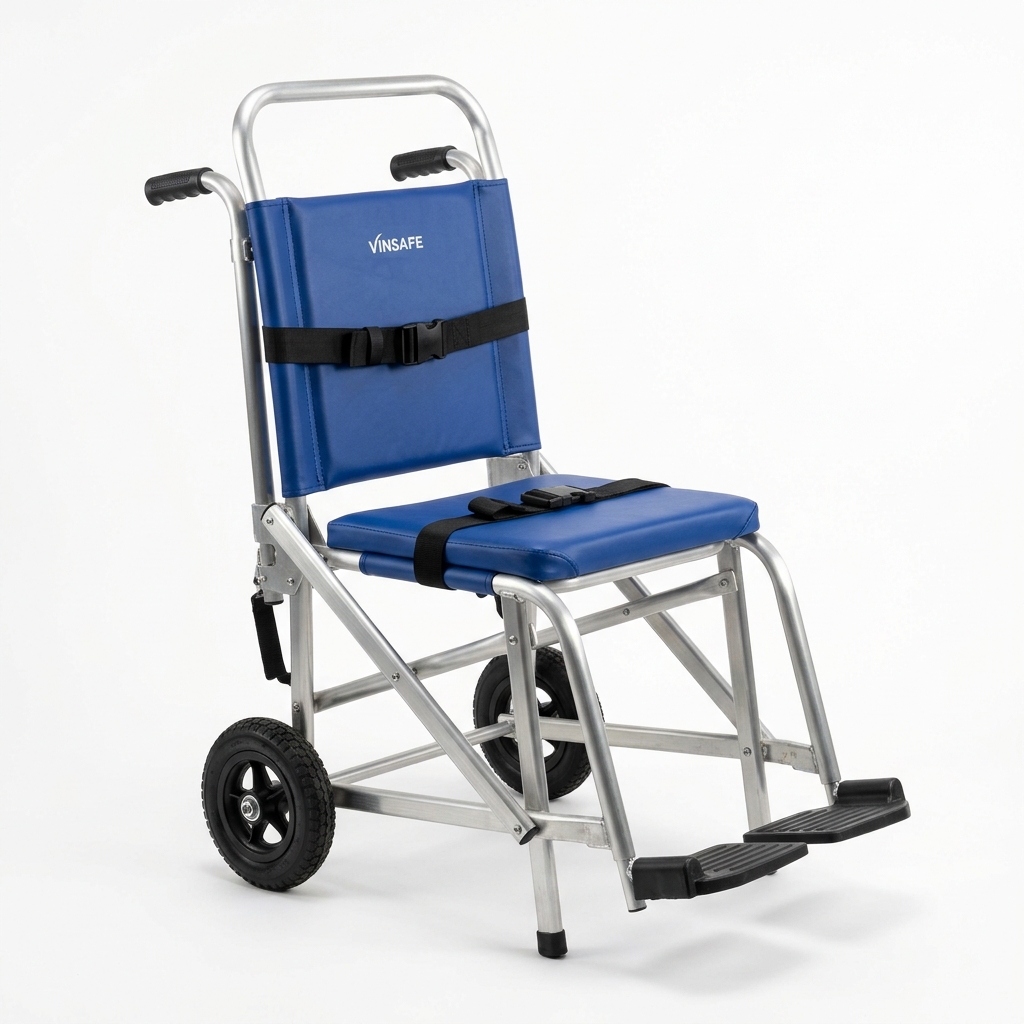
Folding Stair Evacuation Chair
Evacuation & Rescue Equipment · Compact 7 kg carry chair that folds flat beside the stairwell
FAQs