Fire Safety in Schools: A Guide for Principals and Administrators
Updated: November 2026 2 min readBy the Vinsafe fire safety team
In short: Schools hold hundreds of children in one building. A practical guide to fire safety equipment, drills and responsibilities in schools.
A school can hold hundreds or thousands of children, many too young to react on their own in an emergency. Fire safety in schools is not just compliance; it is a duty of care that parents expect.
Common fire risks in schools
- Science labs with chemicals and burners
- Computer labs and electrical rooms
- Canteen kitchens with LPG
- Stored paper, costumes and decorations for events
- School buses (see our blog on AIS-135)
Essential equipment
- ABC extinguishers on every floor, near staircases and in corridors
- CO2 or clean agent extinguishers in computer labs and electrical rooms
- Kitchen extinguisher and fire blanket in the canteen
- Fire blankets in science labs
- Fire alarm system with manual call points and sounders audible in all classrooms
- Emergency lighting and clear exit signage
- Evacuation chairs for students or staff with disabilities
Drills that children remember
- Hold regular drills, including one early in the academic year
- Teach "leave your bag, walk, don't run, don't go back"
- Assign each class teacher a class register to take to the assembly point
- Practise evacuating students with special needs
Responsibilities
- Principal: overall fire safety plan and compliance
- Administrator or estate manager: equipment and maintenance
- Teachers: leading their class out and taking attendance
- Fire wardens: floor sweeps and reporting
Compliance
Educational buildings above certain heights need fire clearance, and education boards may also ask for fire safety certificates. Keep maintenance and drill records ready.
Products mentioned in this guide
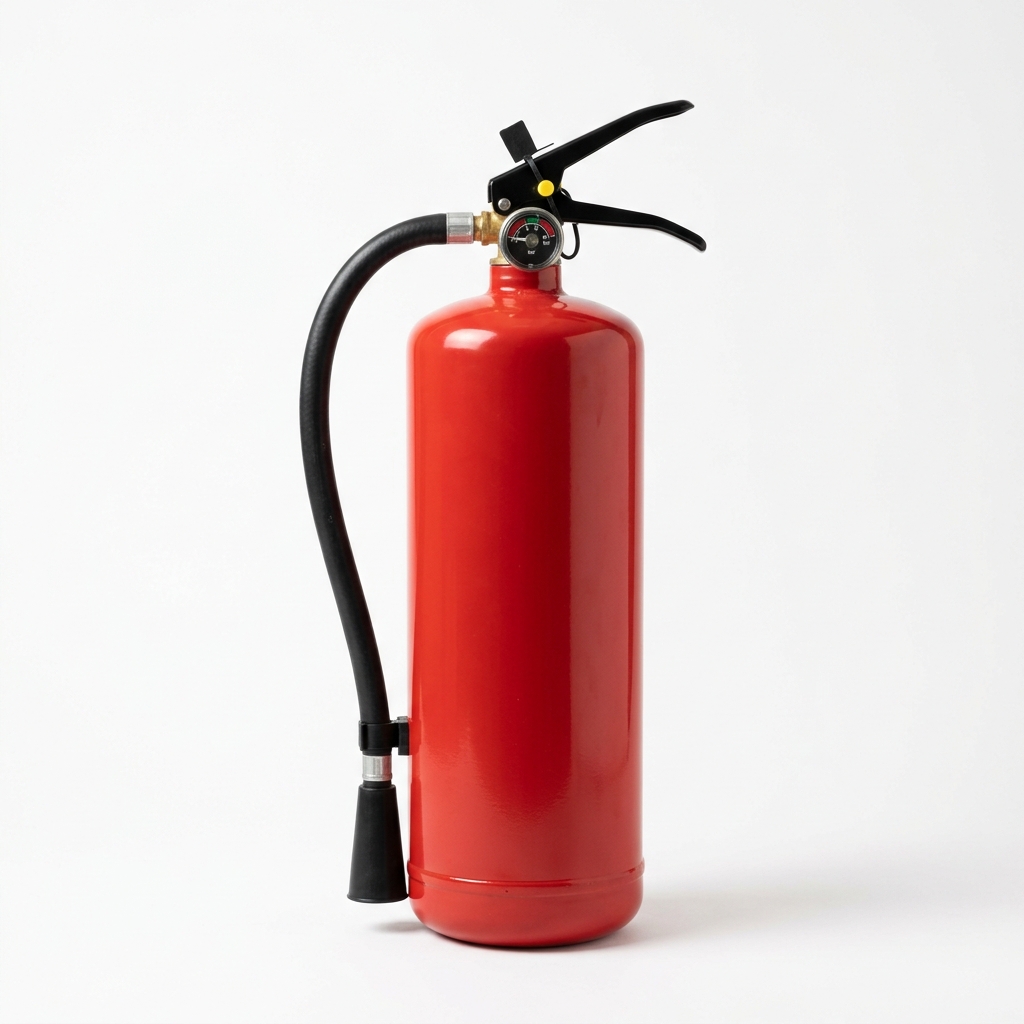
ABC Dry Powder Extinguisher
Portable Extinguishers · Multi-purpose protection for Class A, B, C & electrical fires
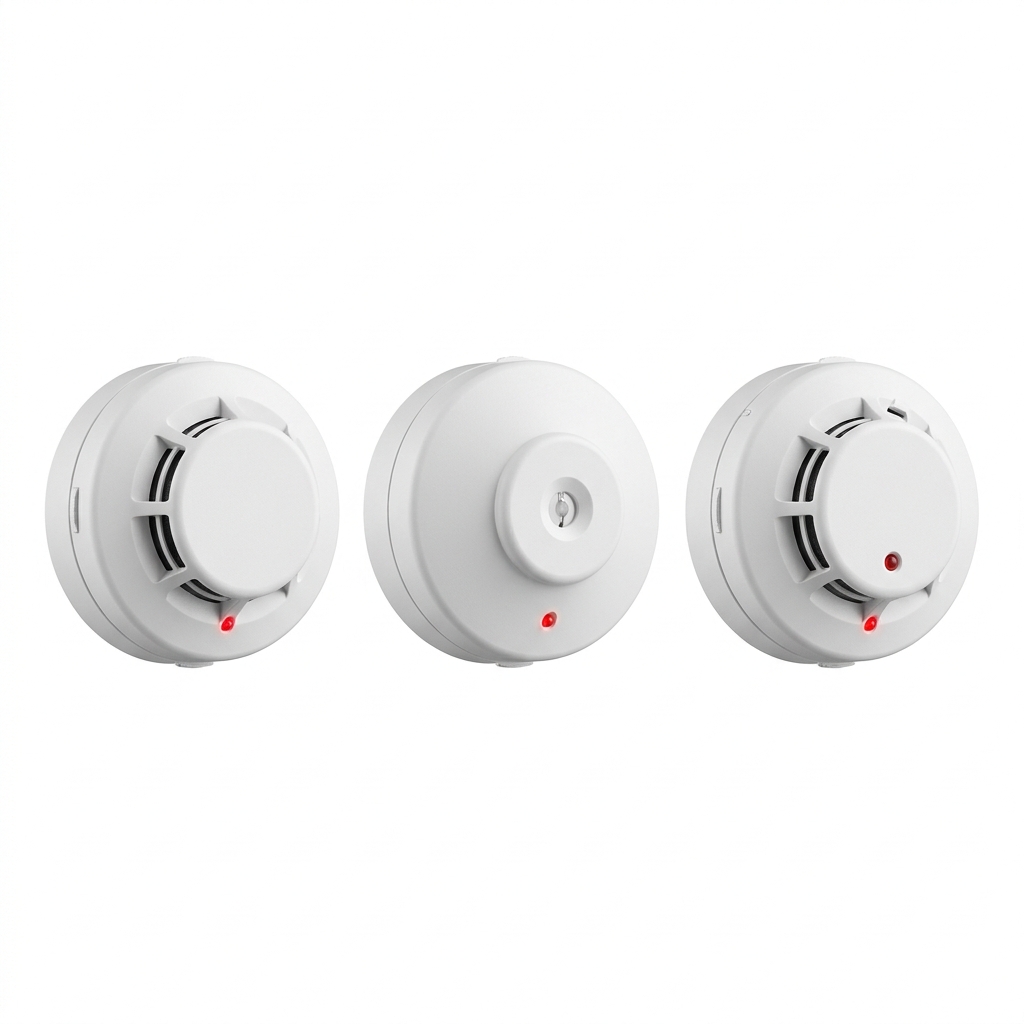
Smoke, Heat & Multi-Sensor Detectors
Fire Detection · Right detector for every environment

Photoluminescent Exit Signs
Photoluminescent Signage · Glows up to 12 hours after power loss
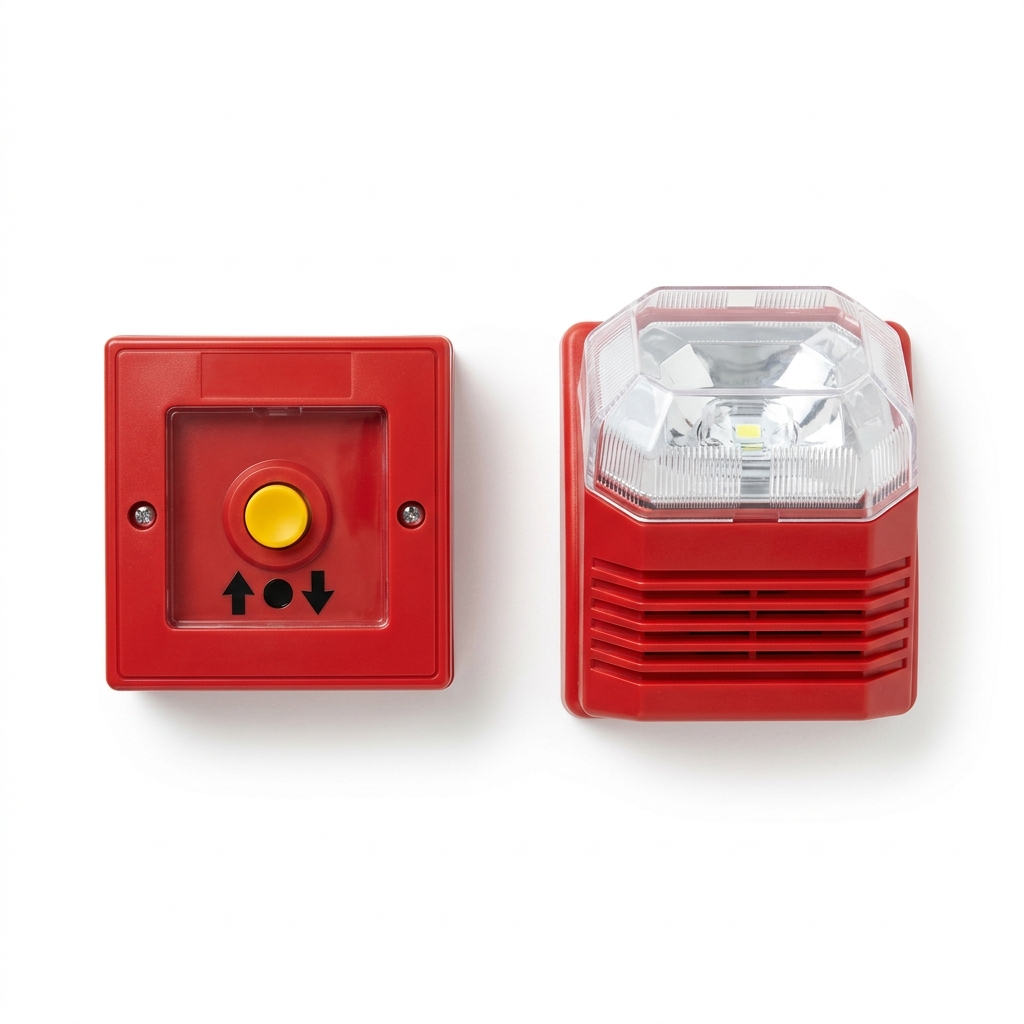
Manual Call Point & Hooter-Strobe
Fire Alarm Panels, Call Points & Voice Evacuation · Manual alarm initiation with audible and visual warning
FAQs