Types of Fire Extinguishers and Which One to Use: ABC vs CO2 vs Clean Agent
Updated: November 2026 2 min readBy the Vinsafe fire safety team
In short: ABC, CO2, clean agent, water, foam or kitchen type? Learn which fire extinguisher fits each fire class and each area of your building.
Using the wrong extinguisher can make a fire worse. Water on an oil fire spreads the burning oil; powder in a server room can damage expensive equipment. This guide explains the main types sold in India and where each one belongs.
Understand the fire classes first
- Class A: ordinary solids such as paper, wood, cloth and plastic
- Class B: flammable liquids such as petrol, diesel, paint and solvents
- Class C: flammable gases such as LPG and PNG
- Class D: combustible metals (industrial use)
- Kitchen oil fires: cooking oils and fats in commercial kitchens (often called Class K or F)
- Electrical equipment: live electrical fires need a non-conductive agent
The main extinguisher types
ABC dry powder (blue band). The all-rounder. Works on Class A, B and C fires and is safe on electrical equipment. Best for offices, shops, corridors, homes and vehicles. The downside is the fine powder, which is messy and can damage sensitive electronics.
CO2 (black band). Carbon dioxide smothers the fire and leaves no residue. Ideal for electrical panels, DG sets and Class B liquid fires. It is less effective on paper and wood fires and should not be used in small closed rooms where people remain.
Clean agent (green band). A gaseous agent that leaves no residue and is safe for electronics. Ideal for server rooms, control rooms, museums, archives and hospital equipment areas. It costs more but protects valuable contents.
Water and water mist. Good for Class A fires. Water mist units with de-ionised water are also used in mixed-risk areas. Never use a plain water unit on electrical or oil fires.
Foam (cream band). Suited to Class A and B fires, such as fuel storage, garages and workshops.
Kitchen / wet chemical. Designed for cooking oil fires in restaurant kitchens. Every commercial kitchen should have one.
Lithium-ion battery extinguishers. A newer category for EV charging areas, battery rooms and e-bike parking (see our blog on lithium-ion battery fires).
Which extinguisher goes where
- Office floors and corridors: ABC 4 kg or 6 kg
- Electrical panel and UPS room: CO2 or clean agent
- Server room: clean agent (plus an automatic system for larger rooms)
- Kitchen: kitchen/wet chemical plus a fire blanket
- Parking and DG set: ABC 6 kg or 9 kg, CO2 near the DG
- Warehouse: ABC 6 kg or 9 kg, with trolley units for large areas
Products mentioned in this guide
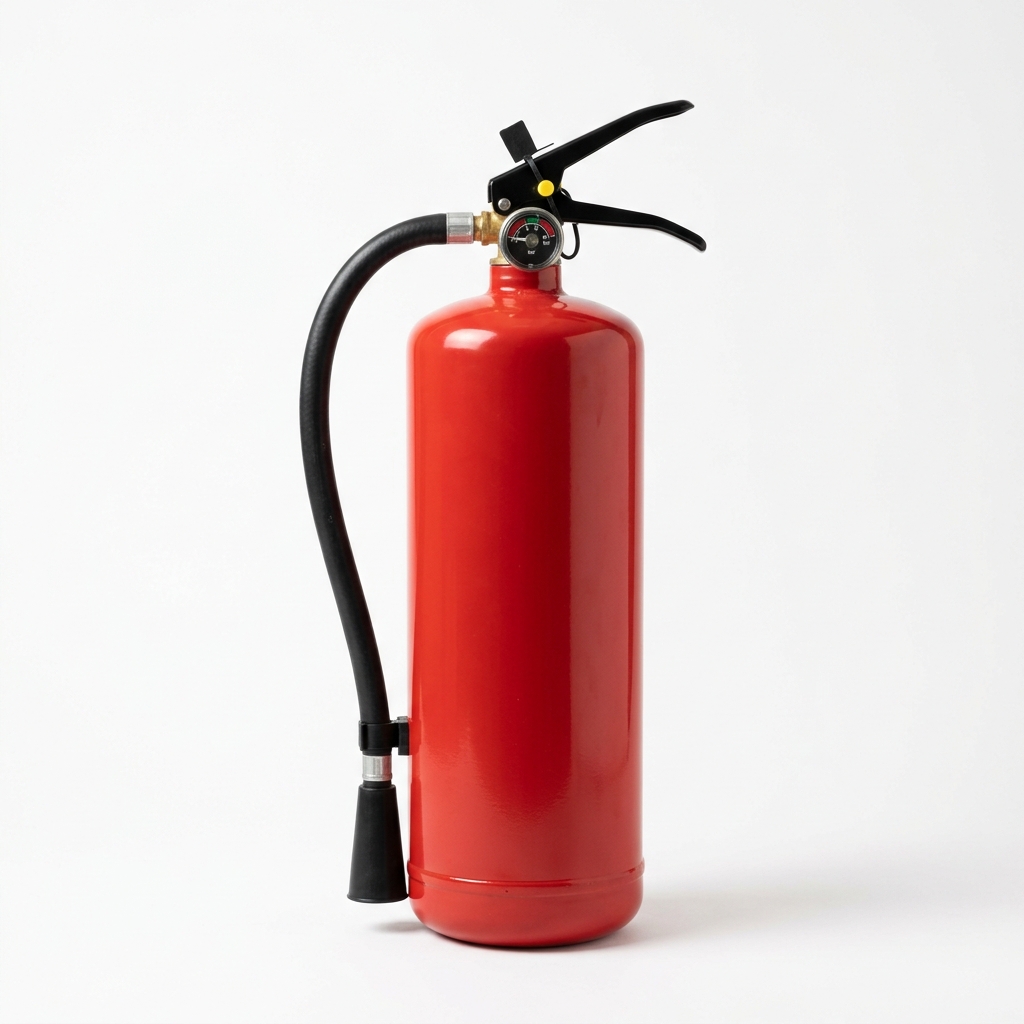
ABC Dry Powder Extinguisher
Portable Extinguishers · Multi-purpose protection for Class A, B, C & electrical fires
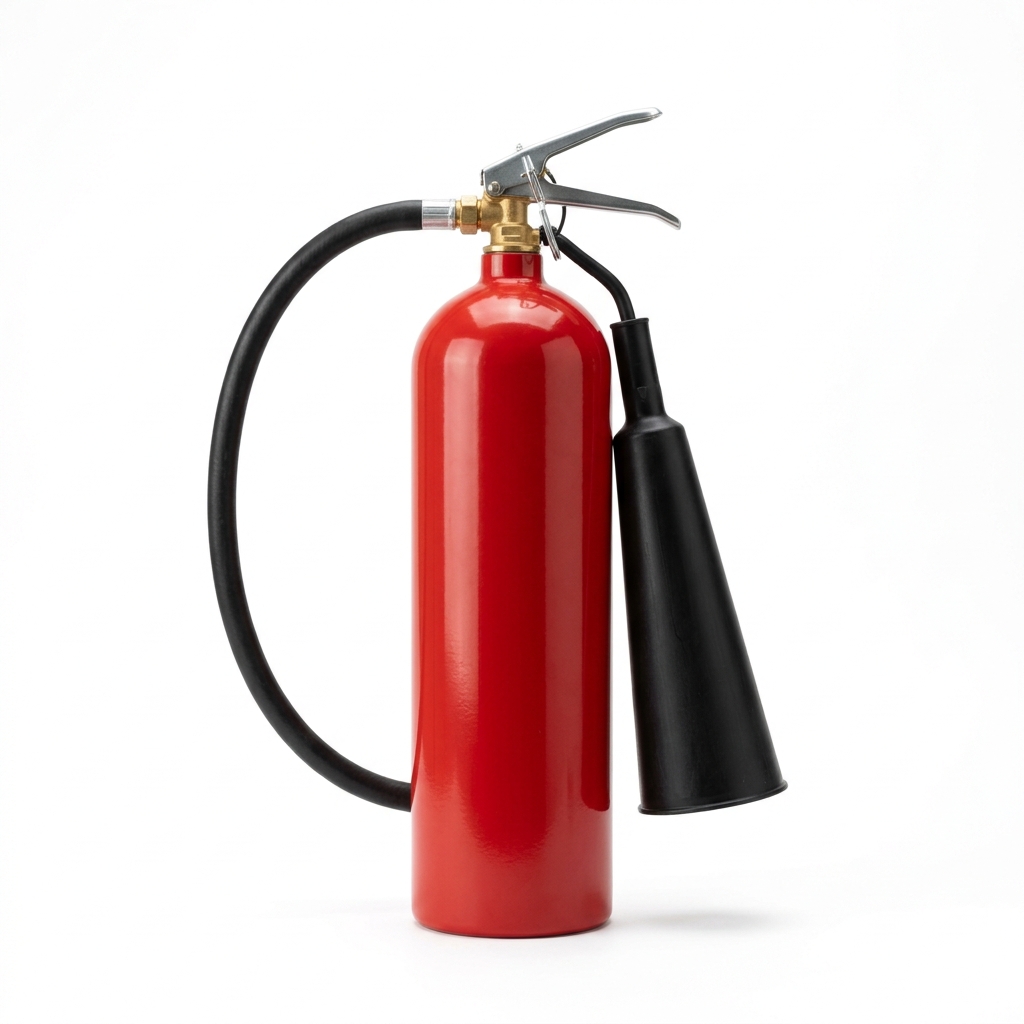
CO₂ Extinguisher
Portable Extinguishers · Residue-free protection for electrical & flammable liquid risks
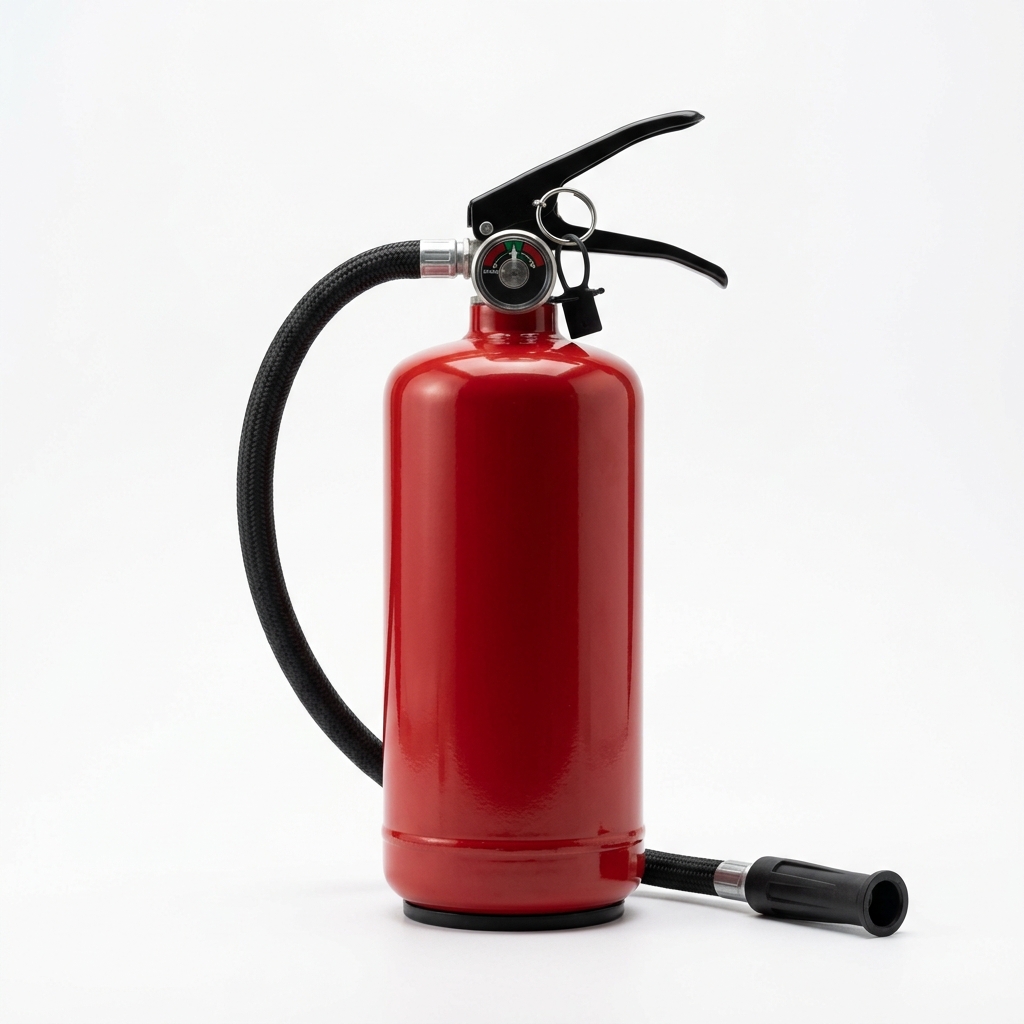
Clean Agent Extinguisher
Portable Extinguishers · Gaseous agent that leaves no residue on sensitive equipment
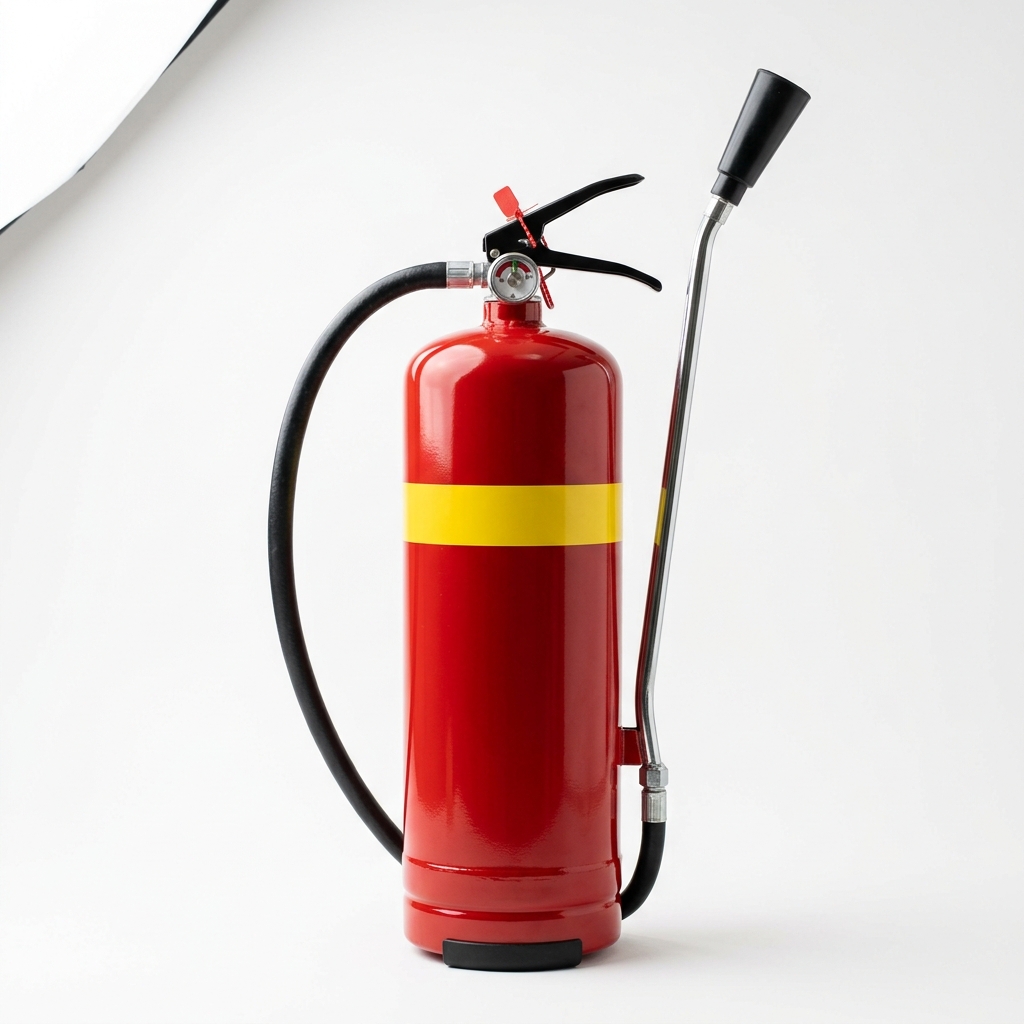
Kitchen (K-Class) Extinguisher
Portable Extinguishers · Saponifying agent purpose-built for cooking oil fires
FAQs