Fire Safety for Warehouses and Factories: Risks, Equipment and Compliance
Updated: November 2026 2 min readBy the Vinsafe fire safety team
Quick guide to warehouse fire safety: Warehouses and factories store large amounts of fuel for a fire. The key risks, equipment and maintenance routine that keep operations running.
A warehouse fire can destroy months of inventory in an hour, stop dispatches for weeks and trigger penalties from clients and insurers. Factories add process heat, flammable materials and electrical panels to the mix. The right equipment and a strict maintenance routine keep the risk under control.
Where warehouse and factory fires start
- Electrical panels, cables and overloaded distribution boards
- Forklift and e-rickshaw battery charging areas
- Packaging material, cartons and plastics stacked near heat sources
- Flammable liquids, paints and chemicals stored without cabinets
- Hot work such as welding and cutting near combustible stock
Essential equipment
- ABC extinguishers (6 kg or 9 kg) along aisles and near exits, within easy reach of every work area
- Trolley (wheeled) extinguishers for large open floors and loading bays
- CO2 or clean agent extinguishers at electrical panels, MCC rooms and server rooms
- Automatic panel suppression (tube or aerosol systems) inside critical panels that run unattended
- Beam or aspirating smoke detection for high roofs where normal detectors react too late
- Lithium battery charging cabinets and battery fire blankets for forklift and e-bike batteries
- Flammable storage cabinets for paints, solvents and chemicals
- Emergency lighting and photoluminescent signage along every escape route
Housekeeping rules that prevent most fires
- Keep clear aisles and a gap between stock and roof, lights and sprinkler heads
- No storage in front of electrical panels, exits or extinguishers
- Permit-to-work system for all hot work
- Charge batteries only in marked, ventilated charging zones
- Remove waste packaging every shift
Maintenance and compliance
Industrial and storage buildings above 250 sq m need fire clearance in Delhi, and similar rules apply in other states. Keep extinguishers on the IS 2190 inspection and hydro-test schedule, test detection and alarms regularly and run at least one mock drill a year per shift. An AMC with digital records makes inspections and insurer audits much easier.
Products mentioned in this guide
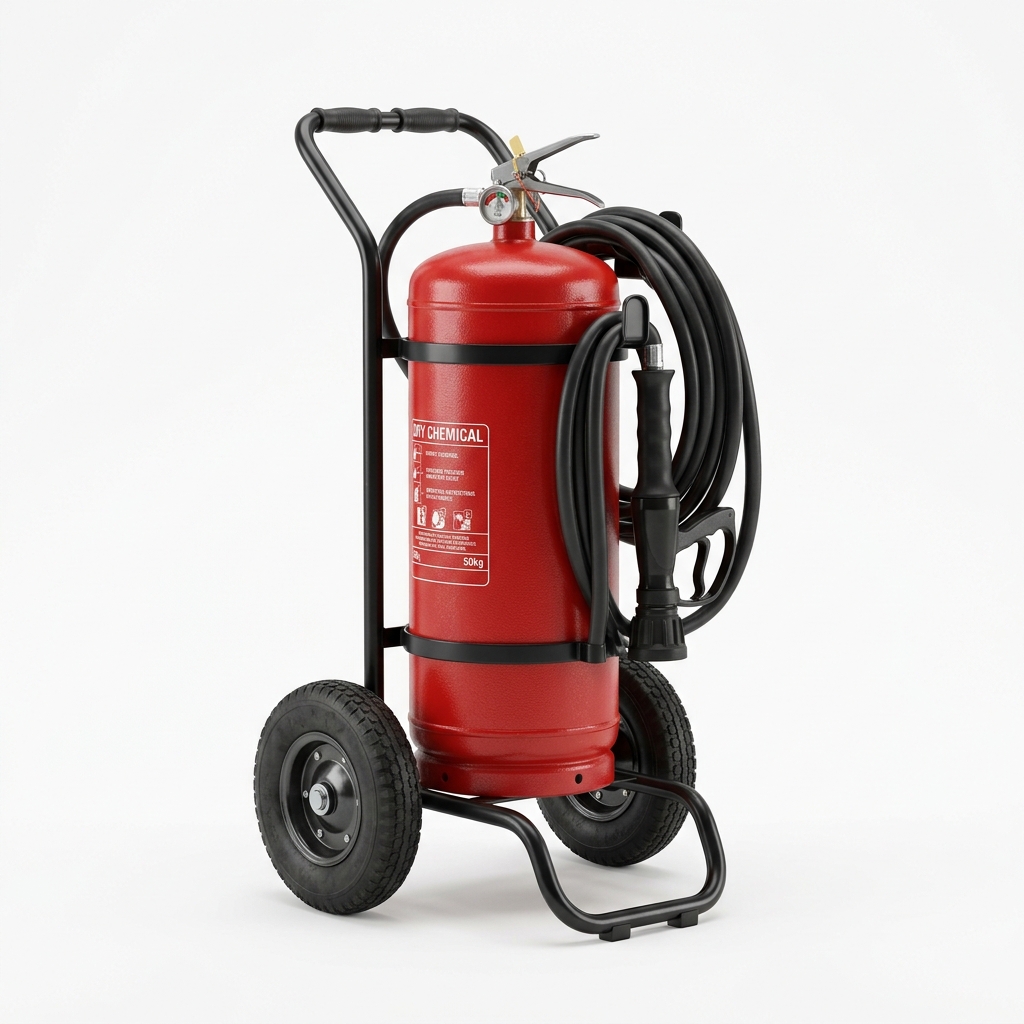
Wheeled / Trolley Extinguisher
Portable Extinguishers · High-capacity mobile units for large-area and industrial risks
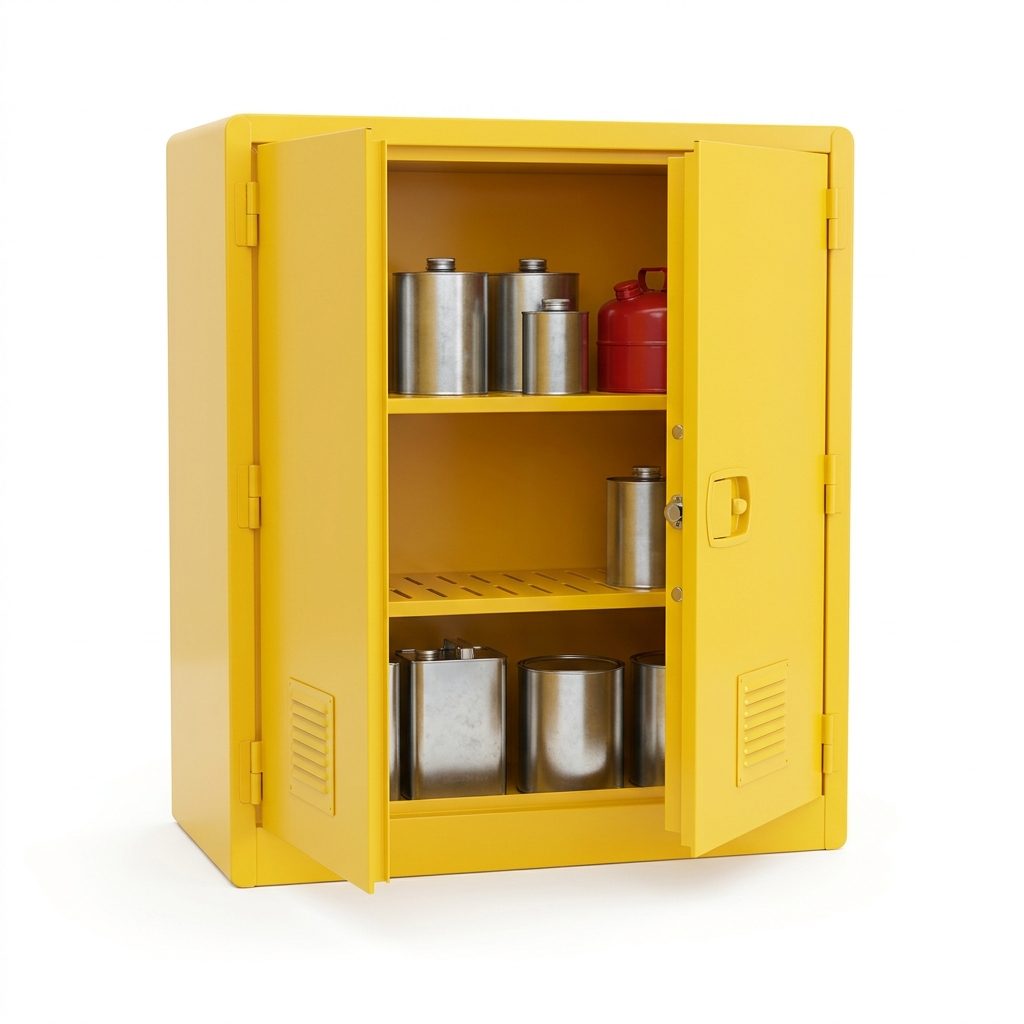
Flammable Storage Cabinet
Safety Storage Cabinets · Double-walled steel cabinet for flammable liquids
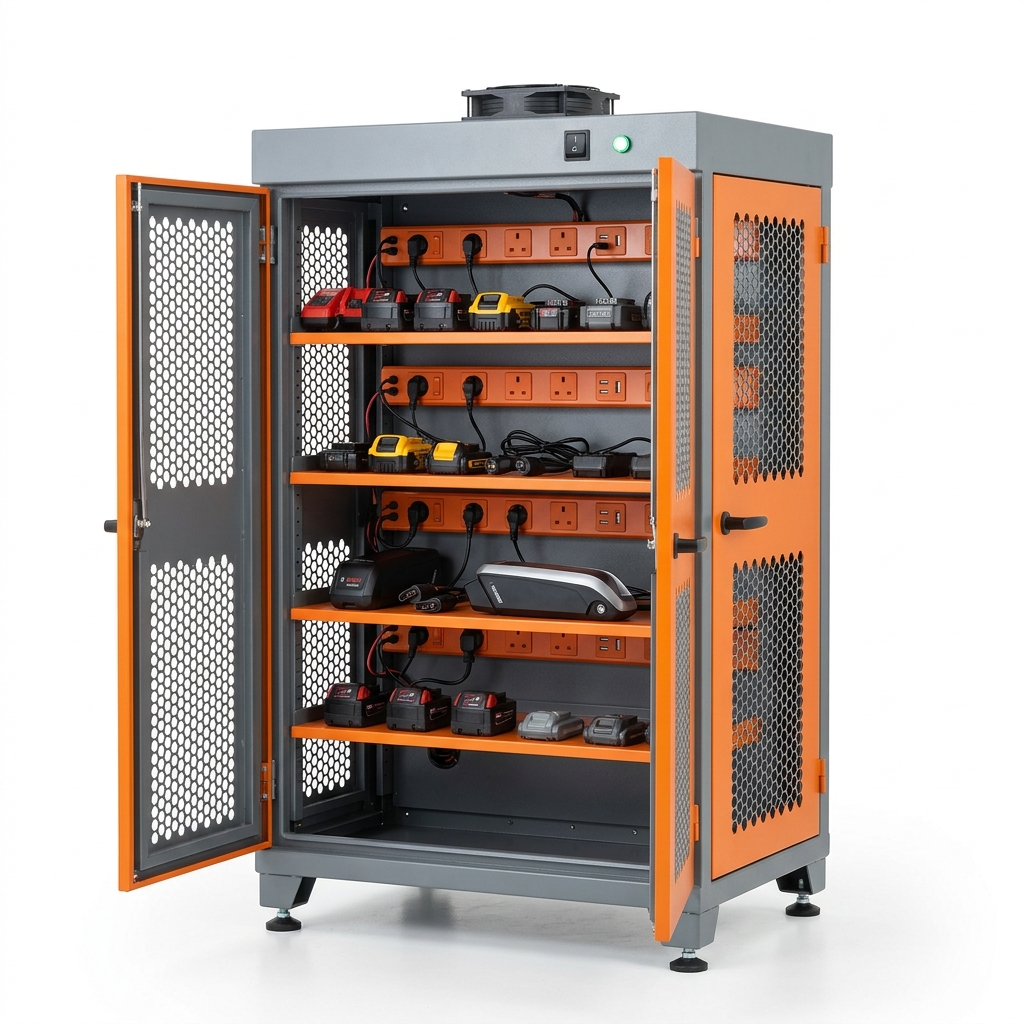
Lithium Battery Charging Cabinet
Safety Storage Cabinets · Fire-resistant cabinet to store and charge Li-ion batteries safely
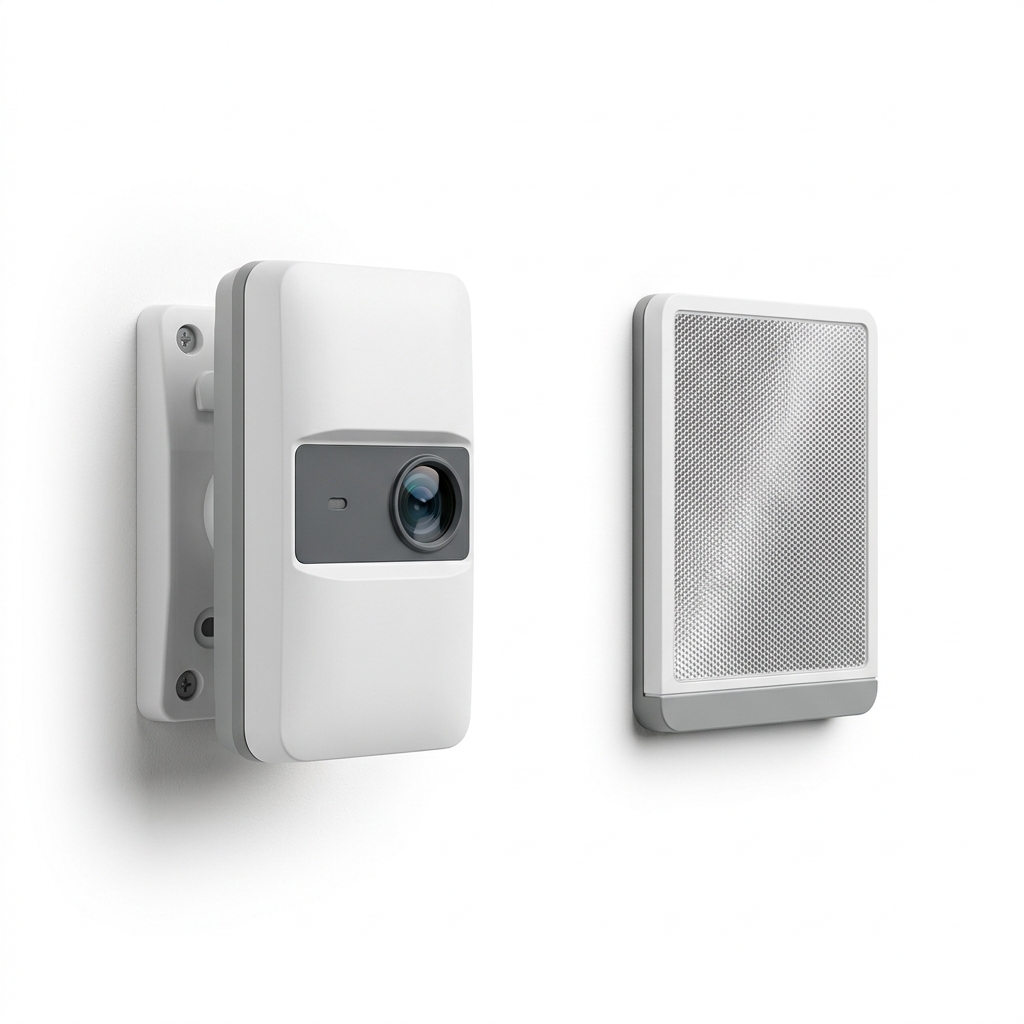
Beam Smoke Detector
Fire Detection · Covers large open spaces with a single projected beam
FAQs